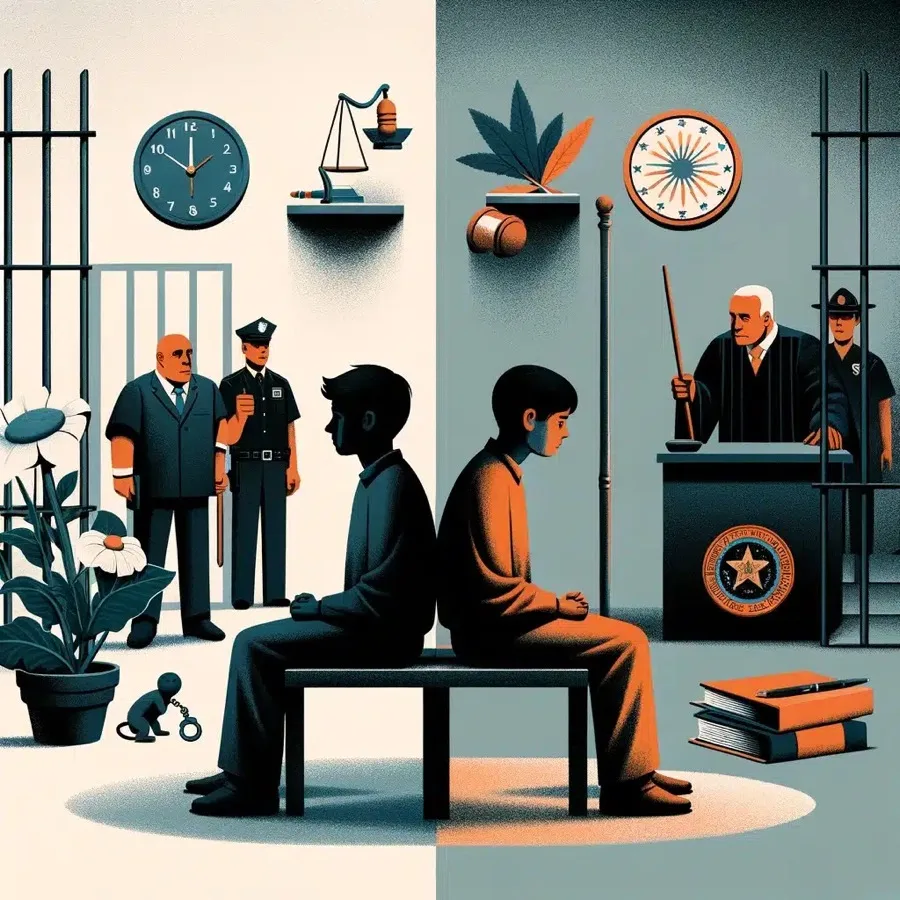
Youth charges in Brampton go through a system built for rehabilitation - but it has its own rules. Getting it right from day one makes an enormous difference.
How Youth Justice Works in Ontario
The Youth Criminal Justice Act (YCJA) governs all criminal proceedings involving persons between the ages of 12 and 17 at the time of the offence. The YCJA emphasizes rehabilitation over punishment and creates a range of extrajudicial measures that allow police, Crown attorneys, and courts to resolve matters outside formal criminal proceedings. These include police cautions, referrals to community programs, extrajudicial sanctions, and youth diversion.
Some of that framework tightened in 2026. The Bail and Sentencing Reform Act (Bill C-14), in force since July 15, 2026, broadened the YCJA definition of a violent offence to include offences causing bodily harm and firearm-related offences, which widens the circumstances in which a custodial sentence is available for a young person. It also permits police to publish identifying information about a youth in urgent situations where the youth is at large and poses an immediate grave danger, provides that time spent unlawfully at large no longer counts toward a custodial sentence, and makes youth diversion records accessible for two years after the diversion. The rehabilitative purpose of the Act is unchanged, but the range of outcomes for serious matters is wider than it was.
Youth records are treated very differently from adult records: they are not permanent, are subject to access restrictions, and can be sealed after a period of time depending on the offence. However, serious violent offences can result in an application to sentence the young person as an adult, which changes the entire framework.
Youth Charges at the Brampton Courthouse
Youth matters in Peel Region are heard at the A. Grenville and William Davis Courthouse in a dedicated youth court. Brampton has a large youth population and the youth court docket reflects that. Common youth charges include theft, assault, robbery, drug offences, mischief, and possession of a weapon. Youth charges involving social media threats, intimate partner violence, and cyberbullying-related offences have grown significantly in recent years.
What Parents Need to Know
If your child has been arrested in Brampton, they have the right to speak to a lawyer before being questioned - and they should exercise that right. Youth are sometimes more vulnerable to police questioning than adults, and anything said to police can be used in evidence. Do not allow your child to be questioned without a lawyer present.
What Happens in Brampton Youth Court?
Youth cases in Peel Region are heard in a dedicated youth courtroom at the A. Grenville and William Davis Courthouse. The process is more private than adult court. Publication bans protect the young person's identity. The Crown takes the charge seriously - but the framework is explicitly built around rehabilitation, not punishment.
Extrajudicial measures - such as a police caution, a referral to a community program, or an extrajudicial sanction - may be used to resolve the matter without a formal court process at all. When formal proceedings do begin, the defence focuses on the specific facts, the young person's background, and whether a diversion or non-custodial outcome is available.
Detention and the Role of Parents
The YCJA sets a high bar for holding a young person in custody before trial. Detention is not meant to be used as a substitute for child-protection, mental-health, or social services, and in most cases the aim is release to a responsible adult, usually a parent, who agrees to supervise. That puts parents at the centre of the process in a way they never are in adult court. A parent who comes to court prepared to set out a plan, supervision, school, counselling, a structured routine, gives the young person the best chance of being released and of steering the case toward an extrajudicial or rehabilitative outcome. The worst thing a parent can do is let a child try to explain themselves to police first; the best is to get counsel involved before any statement is taken.
How Do Youth Records Work in Ontario?
Youth records in Ontario are not permanent. A record for a minor (summary conviction) offence is sealed 3 years after the sentence is completed. For a more serious (indictable) offence, it is sealed 5 years after the sentence is completed. Once sealed, the record cannot be seen by employers, immigration officials, or US border authorities.
The key exception: if your child commits another offence as an adult while the countdown is still running, the youth record can be joined to the adult record. That makes early intervention and a clean resolution of the youth charge critical. For more on how youth records work, see how criminal records work in Ontario. I represent youth clients in Peel Region and at the Brampton courthouse. For the full framework, see the youth offences defence page and the general article on youth offences in Ontario. For an immediate consultation, call 647-547-6734 or visit the Brampton criminal lawyer page.