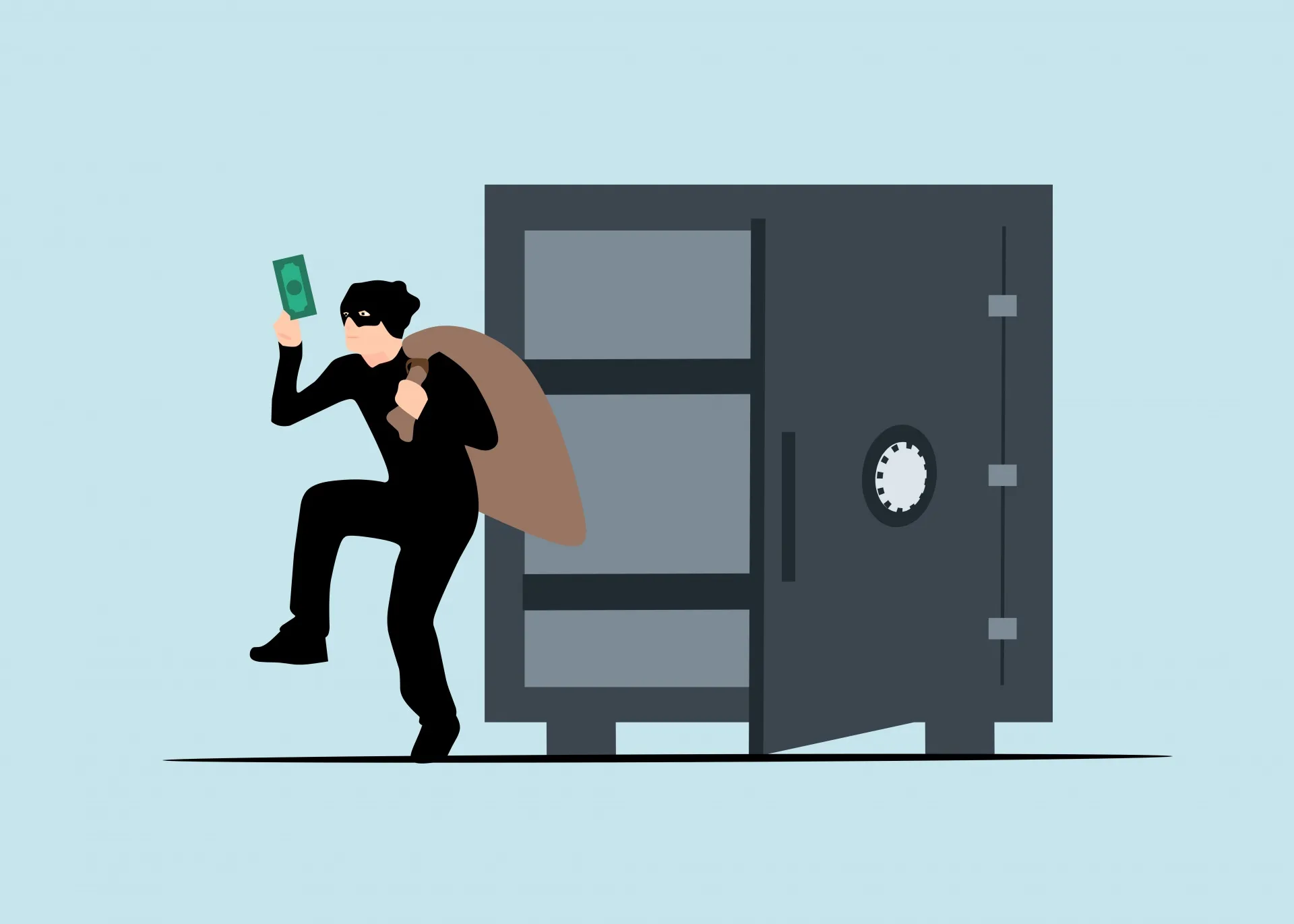
Theft and robbery sound similar - they're not. One word, force, separates them. And that word means everything.
If you're facing theft or robbery charges, it's important to get solid information from a Toronto theft lawyer. For a deeper dive, see my blog post on robbery and theft charges in Toronto and the GTA.
Theft means taking something that isn't yours without consent. Robbery means doing the same thing but with force, threats, or intimidation. That one extra element makes robbery far more serious. The full provisions are in the Criminal Code of Canada.
I'm Elias Rabinovitch, a Toronto criminal lawyer. Here's what you need to know, in plain English.
Theft Charges in Ontario
Theft under $5,000 is the most common. This covers shoplifting, taking items from work, or other impulsive moments. For most first-time offenders, it's often possible to avoid a criminal record through things like:
- Volunteering or counselling ("upfront work")
- Community service or restitution
- Peace bonds or diversion programs
Theft over $5,000 is more serious. It often involves planning or breach of trust, such as stealing from an employer. But that doesn't automatically mean jail or a record. If we show that the act wasn't premeditated or was influenced by personal hardship, the Crown might agree to a reduced charge or lighter sentence. In some cases, you may also be able to avoid a criminal record. Related charges include fraud when the offence involves deception. For car theft specifically, see my analysis of car theft in the GTA and the Crown's position.
Robbery Charges: The Serious Upgrade
Robbery adds force or threat.
You don't even need to hurt anyone.
For example, snatching a phone while making a threat can count as robbery. The law treats it as a violent crime, and jail is often on the table, even for first-time offenders. If a weapon was used, you may also face weapons and firearms charges.
But how the incident happened matters a lot. If it was chaotic, impulsive, or misinterpreted, that context can be key to a strong defence.
When I build a robbery defence, I look for:
- Lack of intent or proof of force
- Problems with eyewitness testimony
- Weak or unclear video evidence
- Situations that suggest self-defence or confusion
How Cases Are Resolved
For theft, I usually push for diversion, discharges, or withdrawals. For robbery, we focus on mitigation, showing that you're taking responsibility and improving your circumstances. Things like counselling, employment, and restitution tell the Crown and the judge that you're serious about change. It's not just optics; it directly affects outcomes. The Crown doesn't like to lose, so when they see you've cleaned up your act, they often back down to avoid a lenient sentence from a judge. If the matter ends up at trial, I prepare meticulously.
Aggravating and Mitigating Factors
Aggravating factors include use of weapons, injuries, and planning. Mitigating factors include cooperation, mental health struggles, and proactive rehabilitation. I always want the judge to see the person, not the charge. That's how you shift the case from punishment to progress.
Why You Need a Lawyer
A theft or robbery conviction can impact your future, employment, travel, even immigration status. Having a criminal lawyer who knows the local courts and Crown tendencies can completely change your outcome. My job is to protect your record, your freedom, and your reputation. Legal Aid Ontario may be available depending on your circumstances; see also our FAQ.
If you're charged with theft or robbery in Toronto or the GTA, contact Elias Rabinovitch today at 647-547-6734 or through the contact form for a free evaluation.
Let's talk about your case, your options, and how to get your life back on track.