All Articles
Who Pays Your Expropriation Lawyer? The Section 32 Costs Rule
Most people assume that challenging a government offer means paying a lawyer out of pocket and hoping it works out. In Ontario expropriation, the statute is written to produce close to the opposite result.
Read article
Breach of Probation and Failure to Comply: Why the Second Charge Hurts More
A breach charge is rarely about the original offence. It is about a condition, a date, or an address, and it can put you in a worse position than the charge that started everything.
Read article
Should You Accept the Expropriation Offer? What Section 25 Actually Means
An expropriating authority has sent you an offer and a cheque. The most common mistake owners make at this moment is thinking those two things are the same decision. They are not.
Read article
Can Assault Charges Be Dropped if the Complainant Changes Their Mind?
The complainant cannot drop the charge. That decision has never belonged to them. Once police lay a charge in Ontario, only the Crown can withdraw it.
Read article
Will I Go to Jail for a First Assault Charge in Ontario?
For a first assault charge with no serious injury, custody is not the usual outcome, and a conviction is not inevitable either. Assault is one of the charges most likely to resolve without a criminal record.
Read article
How Long Does a DUI Stay on Your Record in Canada?
Indefinitely, unless you apply to have it set aside. A criminal record in Canada does not expire on its own, and the waiting period is longer than most people are told.
Read article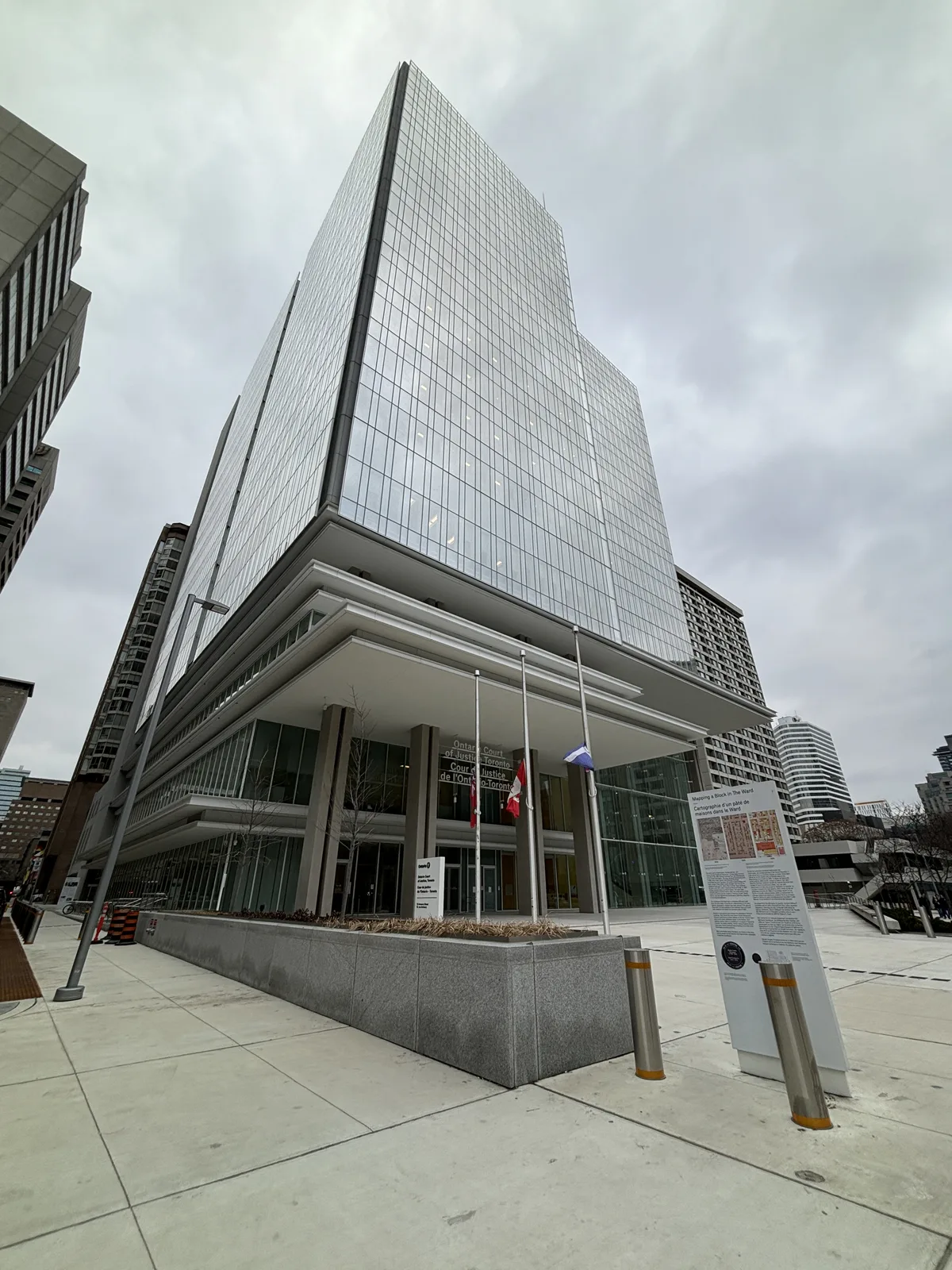
Do You Go to Jail for a First DUI in Ontario?
For a straightforward first offence with no injury, jail is not the usual outcome. The minimum penalty is a fine. What changes that answer is not the drinking. It is what else happened.
Read article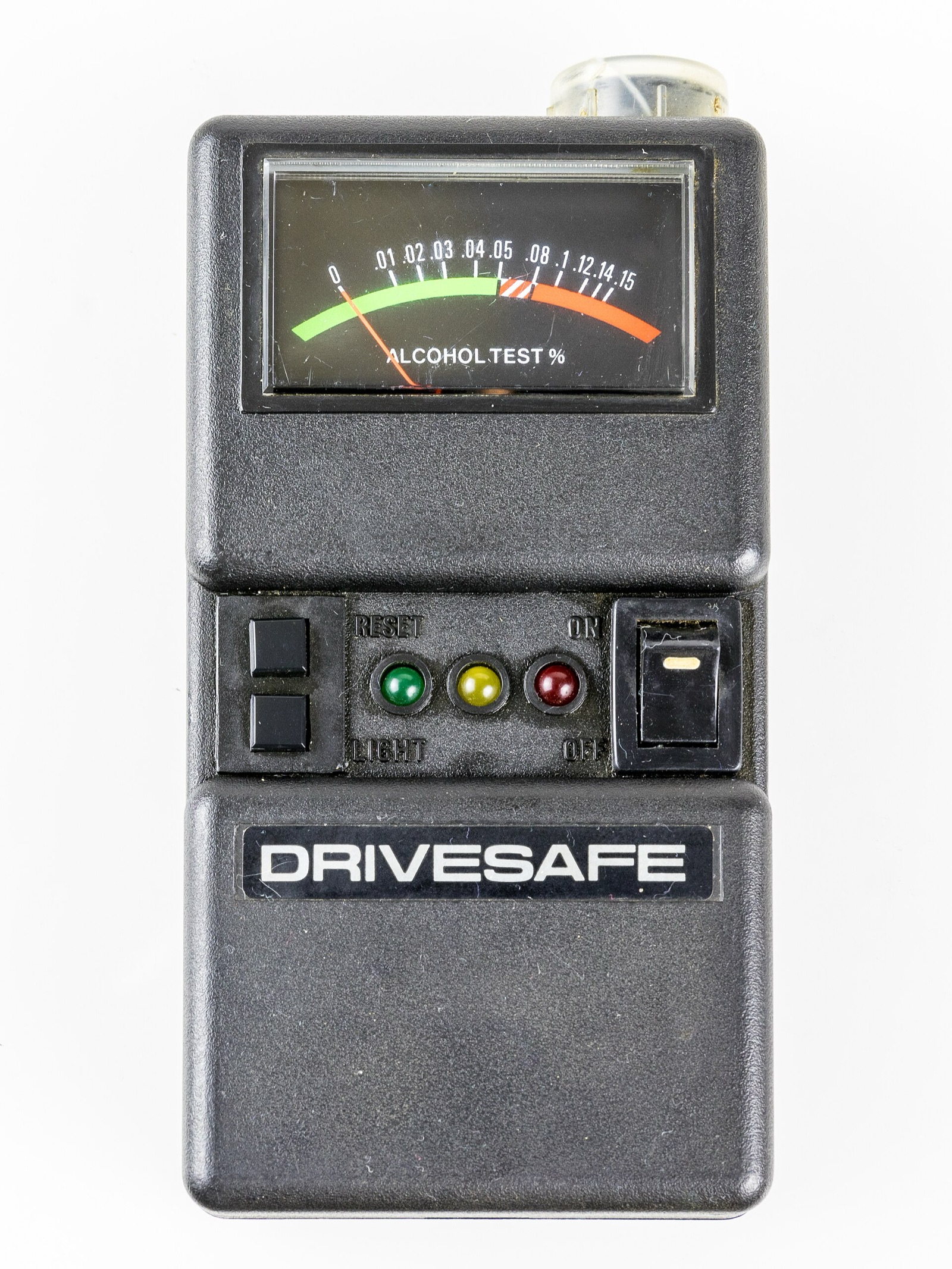
Will I Lose My Licence for a First Impaired Driving Charge?
Yes, immediately, and before any court has decided anything. That is the part almost nobody is told at the roadside, and it is the part that changes how the next ninety days of your life work.
Read articleHouse Arrest and Electronic Monitoring in Ontario
A conditional sentence order allows a jail term to be served in the community under strict conditions, including house arrest. For eligible offences, it is one of the most important tools for avoiding incarceration.
Read articleWhat Happens at a Bail Hearing in Ontario?
A bail hearing is one of the most consequential moments in a criminal case. What happens in that room determines whether you go home or stay in custody while your case works through the courts.
Read article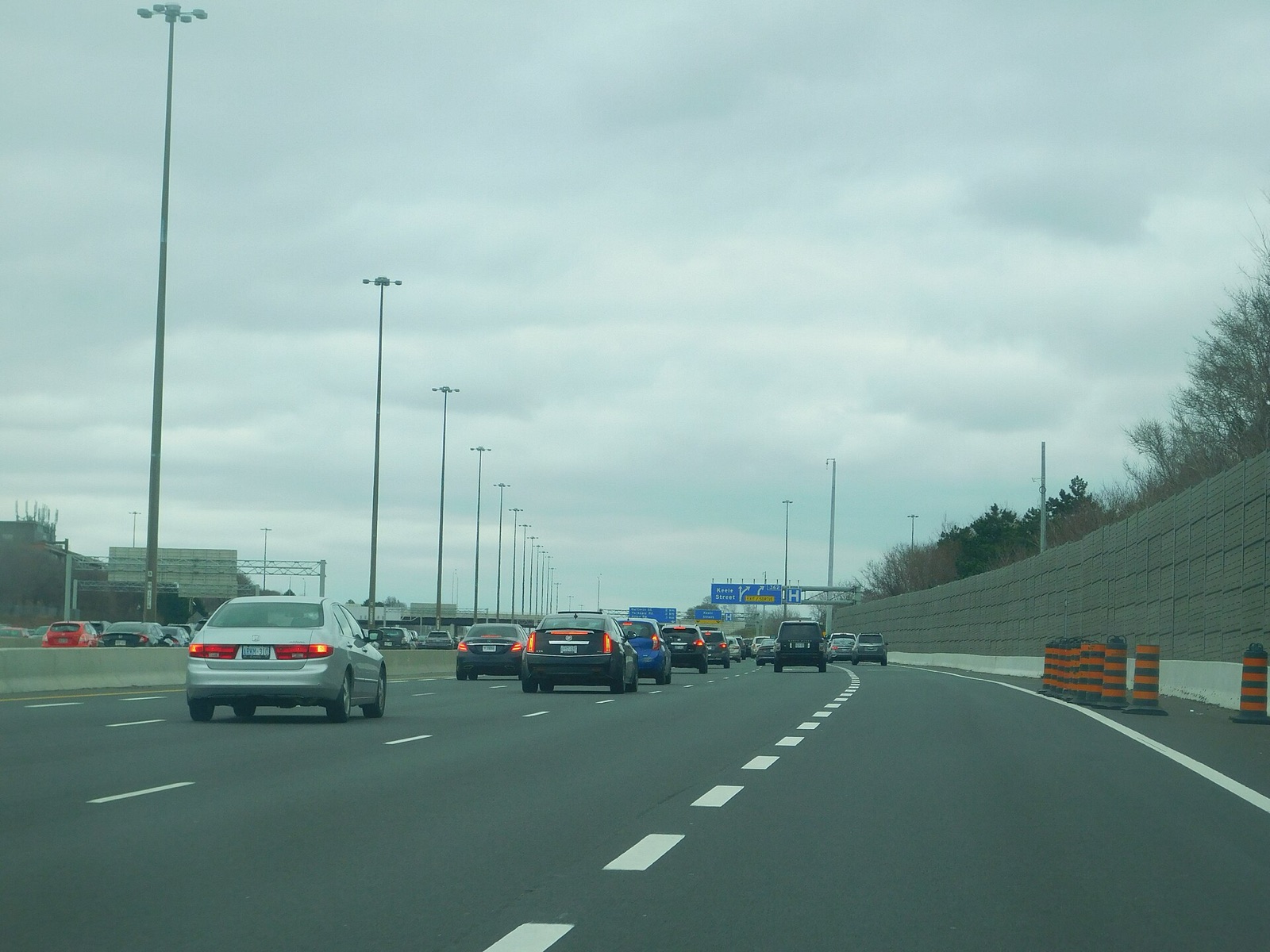
Highway 413 Expropriation: What Landowners in Caledon, Vaughan, Brampton and Halton Need to Know
Fifty-two kilometres from Highway 401 in Halton to Highway 400 in Vaughan, roughly 500 properties, and about 2,000 acres of farmland. If the corridor crosses your land, one restriction in Bill 212 changes how this runs, and one deadline cannot be recovered.
Read article
The Deposit Is Not the Ceiling: What a Failed Closing Really Costs in Ontario
In one 2026 Ontario decision, buyers who abandoned an unconditional deal on a $50,000 deposit ended up owing $188,075.22 plus $75,000 in costs. The deposit is a floor, not a cap, and in a falling market the gap is enormous.
Read articleThe 2026 Holdback Changes: What Contractors and Owners Need to Do Differently
For anyone carrying years of accrued holdback on a long project, the Bill 60 amendments are the most useful change to the Construction Act in a decade. They also create new dates on which an owner can be in default.
Read article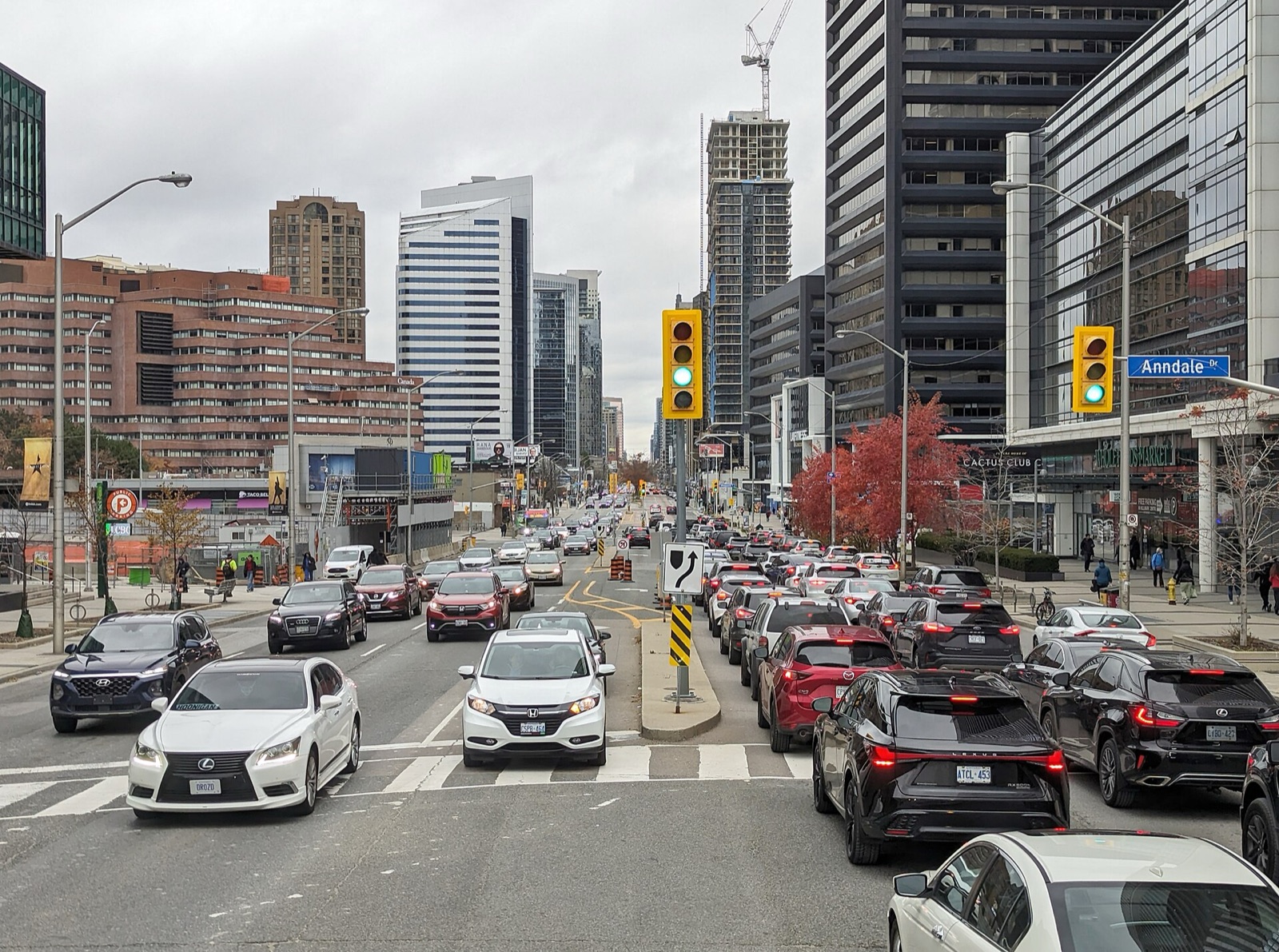
Transit Construction Outside Your Door: Claiming Business Loss on Ontario Projects
On a partial taking along a transit corridor, the strip of land is often the least of it. The larger number is what the works do to a business trading through years of construction, and that claim lives or dies on records most owners never think to keep.
Read article
What Civil Litigation Really Costs in Ontario, and When It Is Worth It
The first question most people ask before suing is not whether they will win. It is whether the fight is worth it. Here is how civil litigation costs actually work in Ontario, from filing fees to costs awards, and how to decide when a claim is worth pursuing.
Read articleRecovering an Unpaid Debt in Ontario: Demand Letters and Small Claims Court
Being owed money is not the same as being able to collect it. For debts up to $50,000, Ontario's Small Claims Court is designed to be accessible. Here is how recovery works, from the first demand letter to judgment, and what makes a debt worth pursuing.
Read articleCollecting a Debt Over $50,000: Superior Court and Recovering Your Costs
When a debt is too large for Small Claims Court, recovery moves to the Superior Court of Justice. The process is more formal, but the tools are stronger, and a successful party can recover a meaningful share of its legal costs. Here is how it works in Ontario.
Read article
Your Commercial Landlord Changed the Locks. What Now?
Commercial tenancies are not residential tenancies. There is no tribunal, no automatic stay, and no requirement that a landlord see a judge before changing the locks. But not every lockout is lawful, and the clock on getting back in is short.
Read articleBeing Squeezed Out of Your Own Company: The Oppression Remedy in Ontario
A squeeze-out is rarely one dramatic act. It is the information drying up, the board seat disappearing, the dividends stopping while the salaries rise. Individually each step looks defensible. The sequence is the claim.
Read articleThe 60-Day Construction Lien Deadline in Ontario, and the Date It Actually Runs From
Almost nobody loses a lien by miscounting to sixty. They lose it by starting the count on the wrong day. The Act fixes your trigger by role and by substantial performance, and a contractor's clock may have started months before they left site.
Read article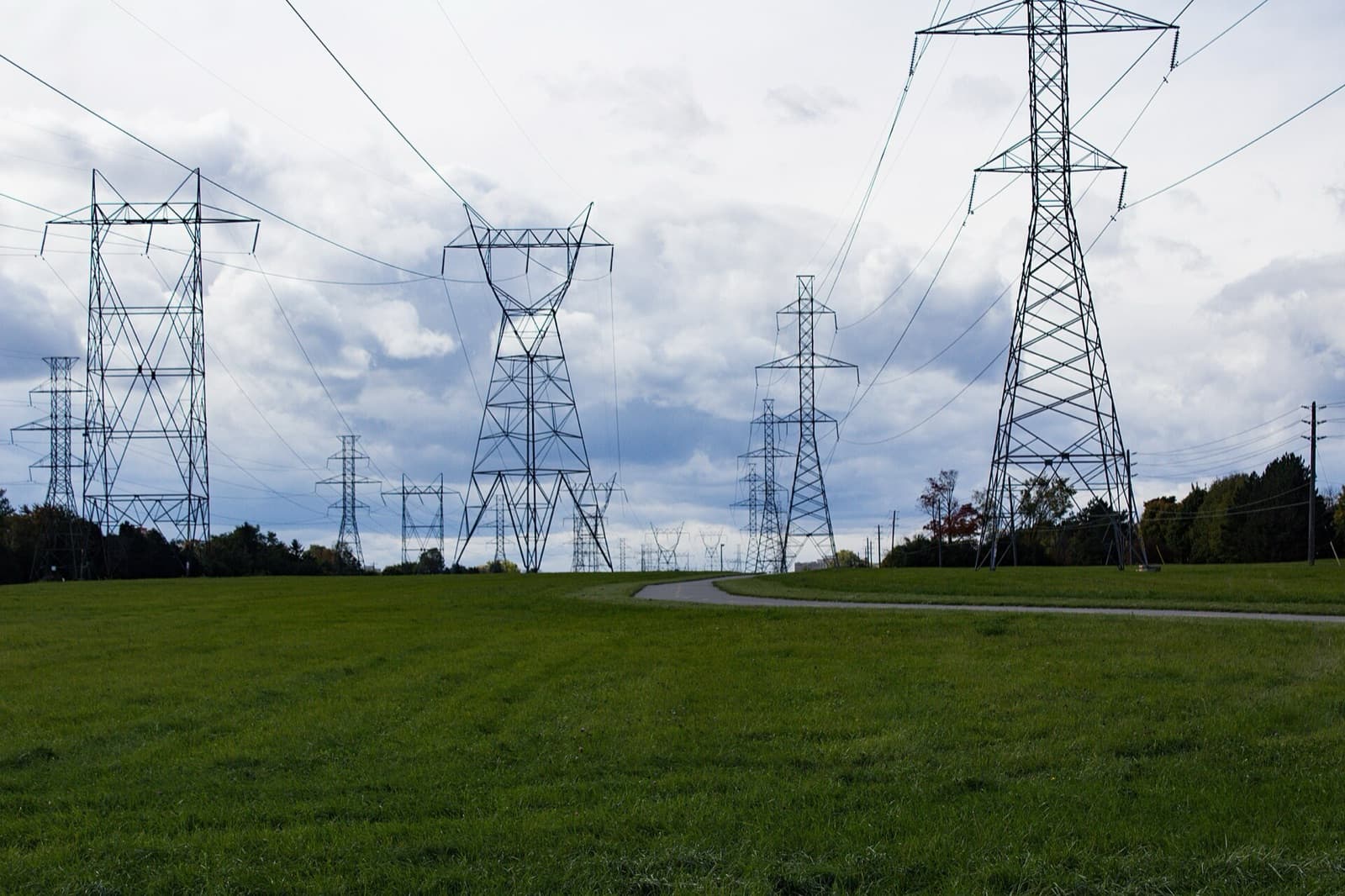
When They Want an Easement, Not Your Land: Utility and Transmission Corridors in Ontario
An easement is the quiet version of expropriation. Nobody takes your title, so it feels smaller than it is. What you actually give up is the ability to build, plant, or drain across a strip of your own land, permanently, and the compensation should price that.
Read articleThe Ontario Line and Your Property: 906 Takings, and What Owners and Tenants Can Claim
Metrolinx has identified in the order of 906 properties it needs for the Ontario Line, with the heaviest residential impact through Toronto's east end. Owners are not the only ones with a claim, and most tenants never find that out.
Read articleProbation in Ontario: Conditions and Consequences
Probation is the most common form of community supervision in Ontario criminal court. Understanding your conditions and the consequences of a breach is critical to staying on the right side of the law.
Read article
Sentencing in Ontario: What to Expect
Sentencing is the final step in a criminal prosecution. The range of outcomes is wider than most people realize, and effective advocacy at the sentencing stage can mean the difference between a conditional discharge and a period of incarceration.
Read article
Judge-Alone Trials in Ontario
Most criminal trials in Ontario are decided by a judge sitting alone, without a jury. In many cases, this is the strategically superior choice. Understanding the difference helps you make an informed election.
Read article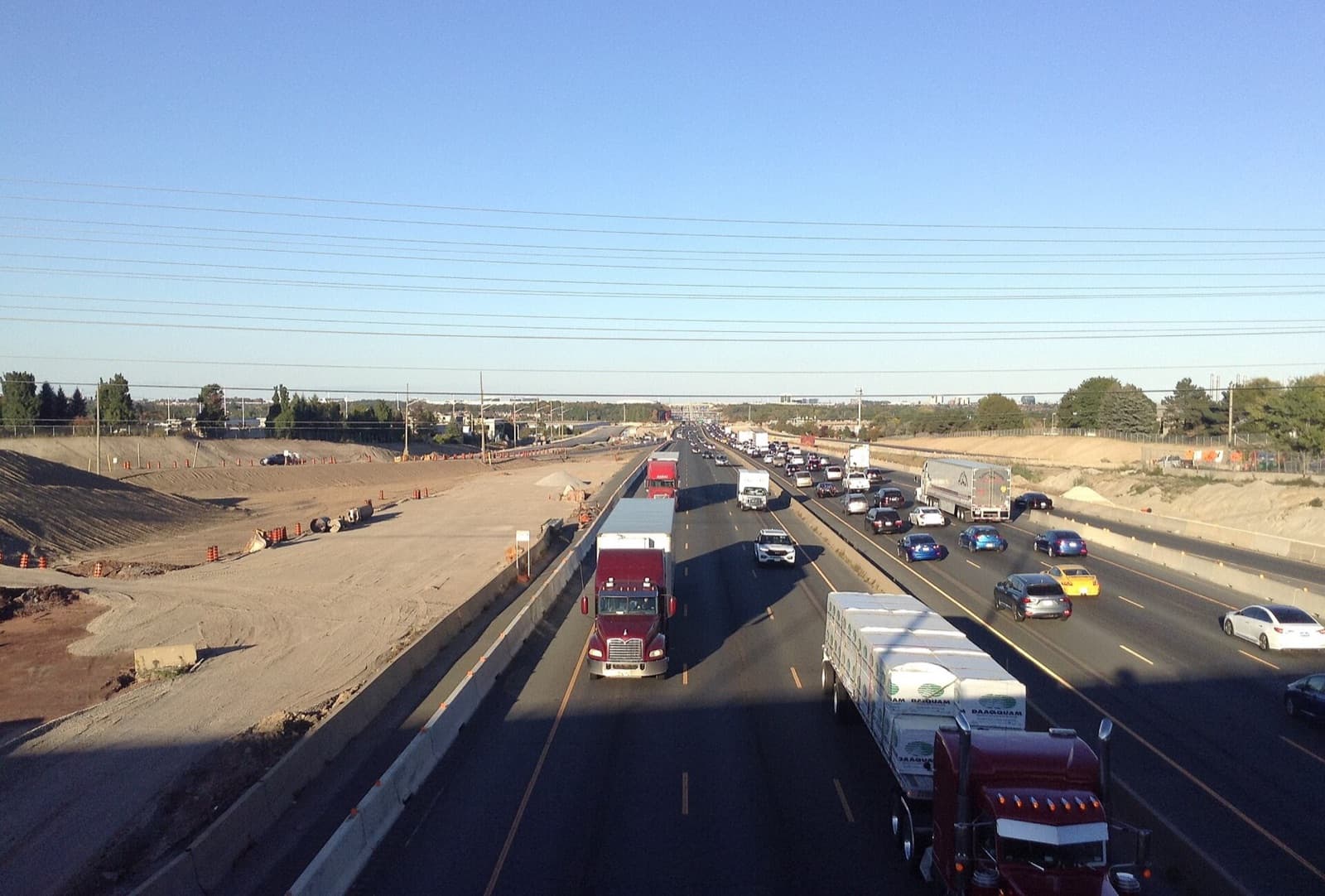
Taking Your Expropriation Claim to the Ontario Land Tribunal
When you cannot agree with an expropriating authority on what your land is worth, the dispute goes to the Ontario Land Tribunal. Here is how that referral works, what the hearing decides, and why owners who go the distance often recover far more than the first offer.
Read articleJury Trials in Ontario: How They Work
Jury trials are the right of every accused person charged with an offence carrying a maximum sentence of five years or more. Understanding how the process works helps you and your lawyer make the right election for your case.
Read articleInjurious Affection and Business Losses: The Expropriation Compensation Owners Miss
Most expropriation offers pay for the strip of land taken and stop there. The larger loss is often the damage to what you keep, and to the business that runs on it. Injurious affection and business loss are the compensation heads owners most often leave on the table.
Read articlePartial Takings, Easements, and Disturbance Damages in Ontario Expropriation
Not every expropriation takes your whole property. A road widening, a transit corridor, or a utility easement often takes a strip, and leaves you to deal with the consequences. Here is how partial takings, easements, and disturbance damages are compensated in Ontario.
Read article
You Won Your Case, Now Collect: Enforcing a Judgment in Ontario
Winning a judgment is only half the job. If the other side will not pay, you have to enforce it. Garnishment, writs of seizure and sale, and examinations in aid of execution are the tools Ontario law gives you. Here is how each one works.
Read articlePreliminary Inquiries in Ontario: When They Help
A preliminary inquiry is a hearing before a provincial judge that determines whether there is sufficient evidence to send a case to trial. Skilled defence counsel uses the preliminary inquiry to test witnesses and lock in testimony before trial.
Read articleDiversion Programs for Criminal Charges in Ontario
Diversion programs allow first-time and low-risk offenders to resolve criminal charges without a conviction. Successfully completing diversion means the Crown withdraws your charges, leaving no criminal record.
Read articlePeace Bonds in Ontario: A Complete Guide
A peace bond under section 810 of the Criminal Code is a powerful tool that can resolve criminal charges without a conviction. Understanding when and how peace bonds are used can make a significant difference in your case.
Read articleConditional Discharge vs Absolute Discharge in Ontario
A discharge is one of the best outcomes available in Ontario criminal court. It means the accused is found guilty but does not receive a criminal conviction, protecting their record for the future.
Read articleHow Plea Bargaining Works in Ontario
Plea bargaining is a legitimate and common part of Ontario's criminal justice system. Understanding how it works allows you and your lawyer to make an informed, strategic decision about your case.
Read articleUnderstanding Your Disclosure Package in Ontario
The disclosure package is the foundation of every criminal defence. It contains the Crown's entire case against you, and reviewing it carefully is how your lawyer finds weaknesses in the prosecution.
Read article
Charged While Holding a Professional Licence: Protecting Your Career in Ontario
For a doctor, nurse, teacher, accountant, or anyone holding a professional licence, the criminal charge is only half the problem. The other half is what a finding of guilt does to a career built over years. Here is how to protect both your case and your livelihood.
Read articleWhat to Do at Your First Court Appearance in Ontario
Your first court appearance sets the tone for everything that follows. Knowing what to expect, what to say, and what to avoid can protect your rights and your record from day one.
Read articleThe Hearing of Necessity in Ontario Expropriation: How to Challenge a Government Taking
The Hearing of Necessity is the most important and most overlooked right available to property owners facing expropriation in Ontario. You have exactly 30 days to request one. Most owners miss the window entirely.
Read article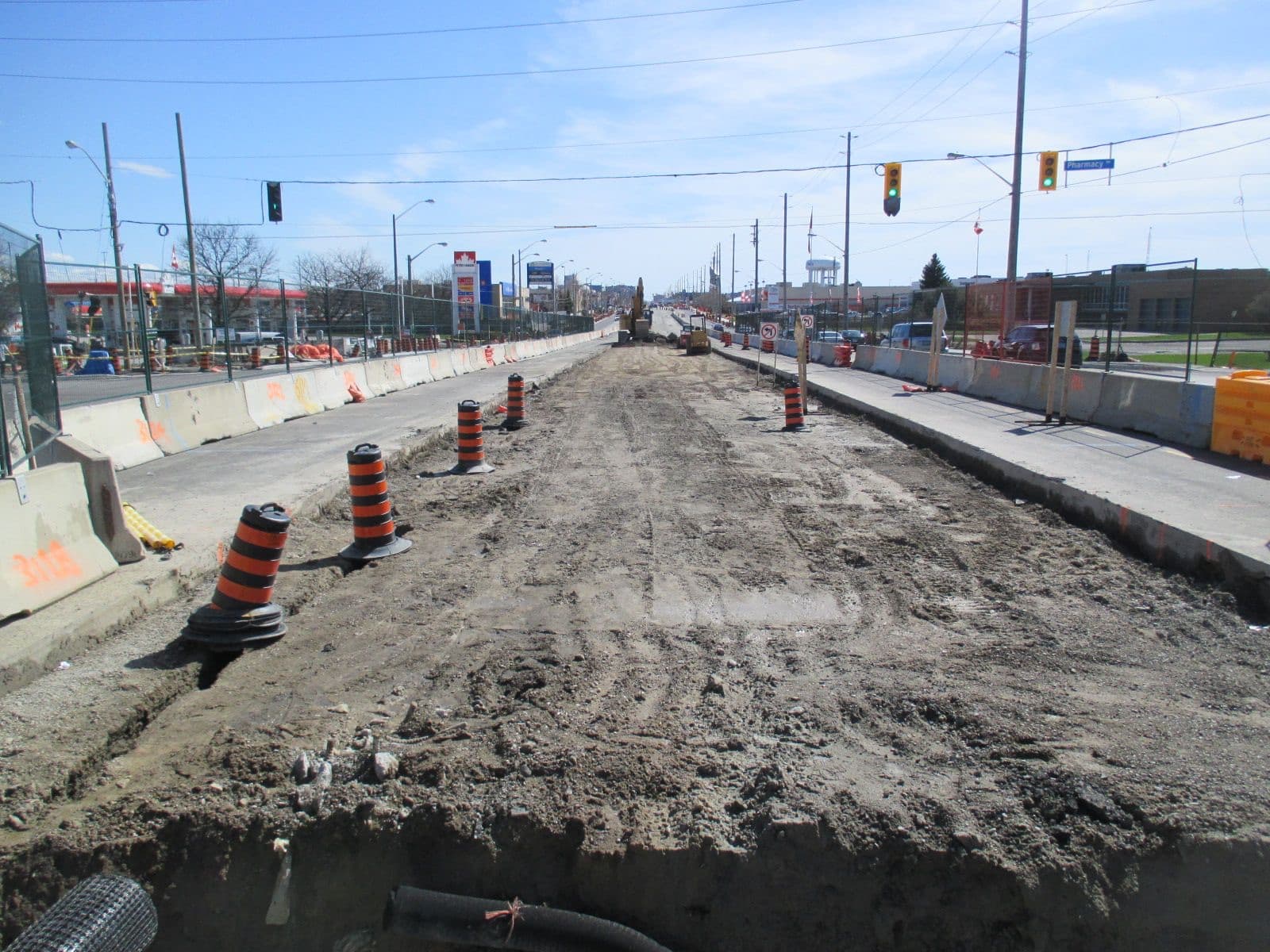
Expropriation Compensation in Ontario: Market Value, Injurious Affection, and Disturbance Damages
Most expropriated owners in Ontario accept compensation for the land that was taken and nothing else. Ontario's Expropriations Act entitles you to significantly more - if you know how to claim it.
Read article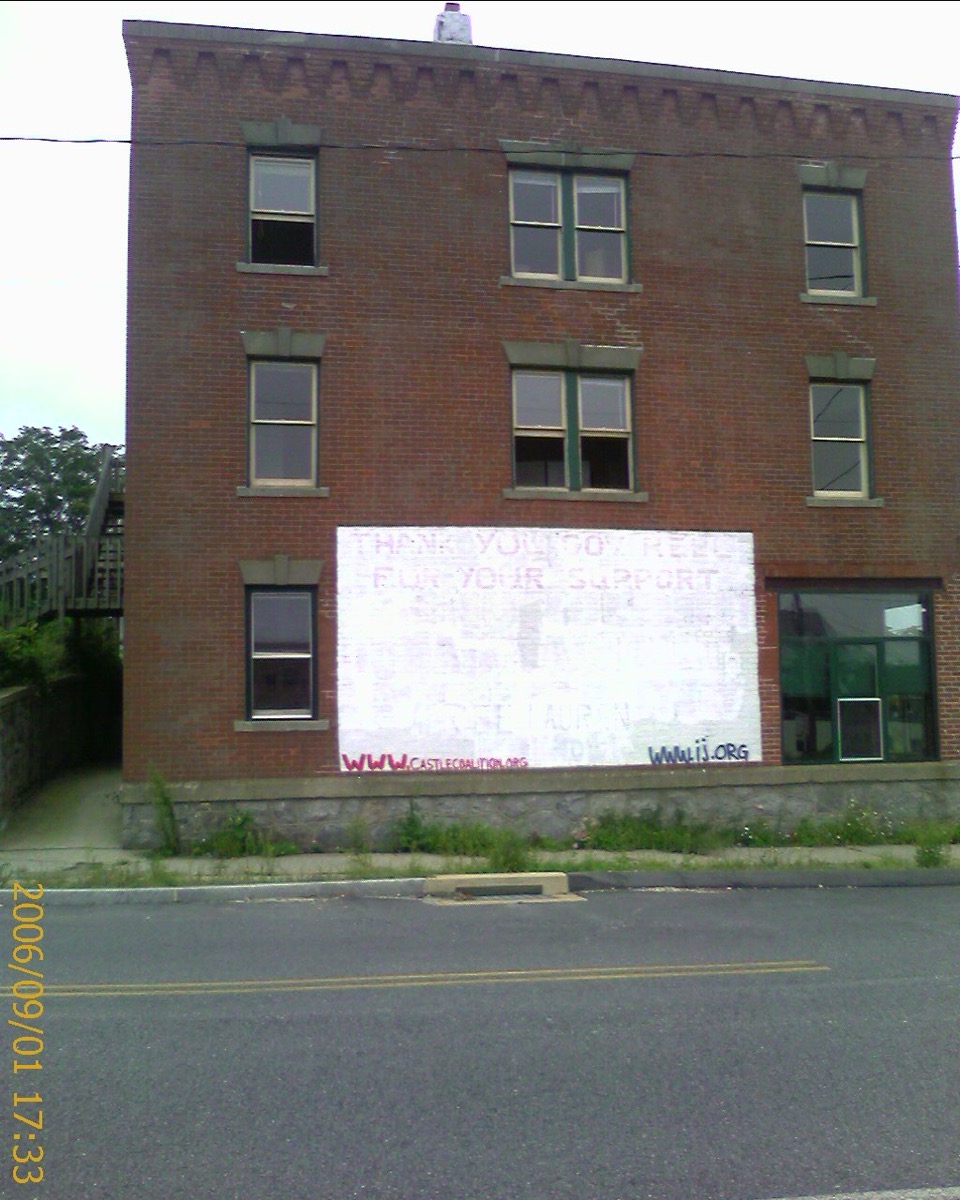
Expropriation in Ontario: Your Rights When the Government Takes Your Property
When a government body serves you with a Notice of Application for Approval to Expropriate, most property owners panic and accept whatever they are offered. This is the single most expensive mistake they can make. Here is what you actually need to know.
Read article
Can a Criminal Charge or Record Stop You From Entering the United States?
A criminal record can follow you to the United States border. US authorities can deny entry based on a Canadian record, and for some offences the consequences are permanent. Here is what actually affects US travel and why the criminal outcome matters.
Read article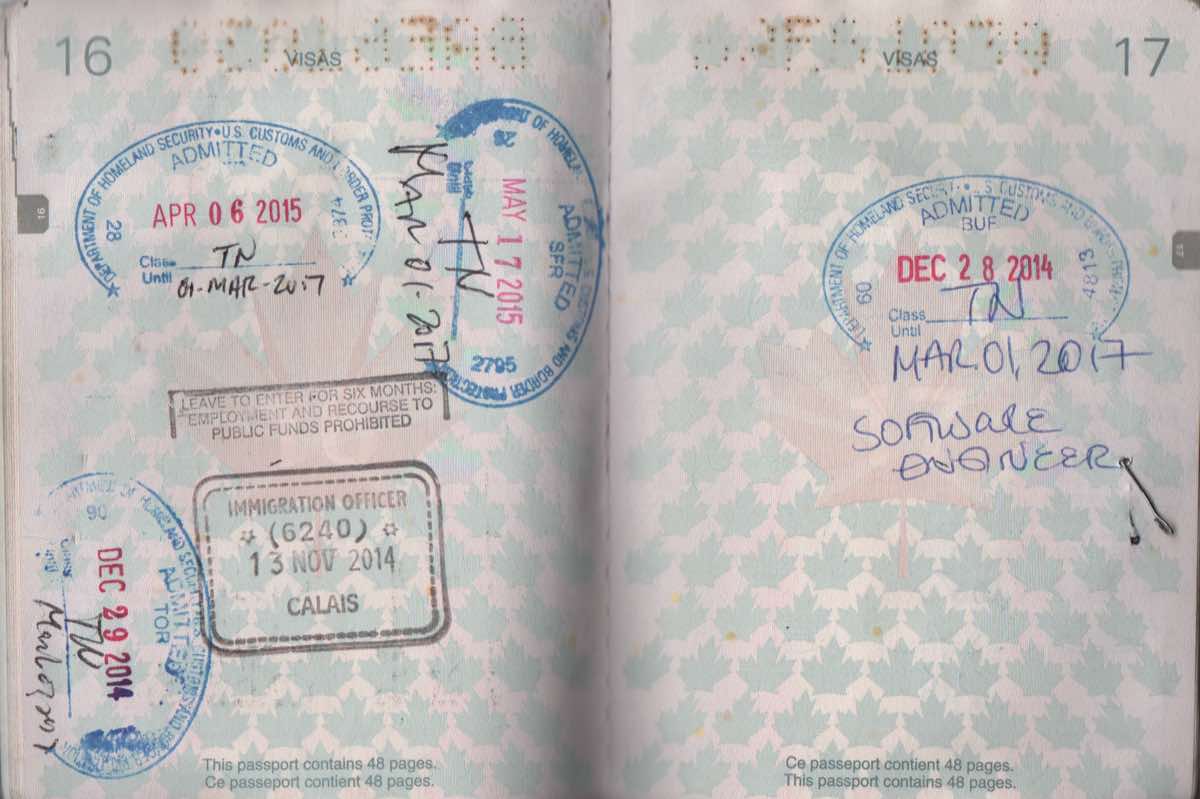
Criminal Charges and Your Immigration Status in Canada
For permanent residents and foreign nationals, a criminal conviction can mean far more than a sentence. It can lead to inadmissibility, loss of status, and removal from Canada. Here is how criminal charges and immigration consequences intersect, and why the criminal outcome is everything.
Read article
Criminal Charges and Your Professional Licence in Ontario
For doctors, nurses, lawyers, teachers, accountants, engineers, and other regulated professionals, a criminal charge threatens far more than a fine or a record. It can put your licence and your entire career at risk. Here is what is actually at stake and how to protect it.
Read articleCan Criminal Charges Be Dropped or Withdrawn in Ontario?
Criminal charges in Ontario can be withdrawn by the Crown or stayed by the court. Understanding when and why this happens is the first step to knowing your options.
Read article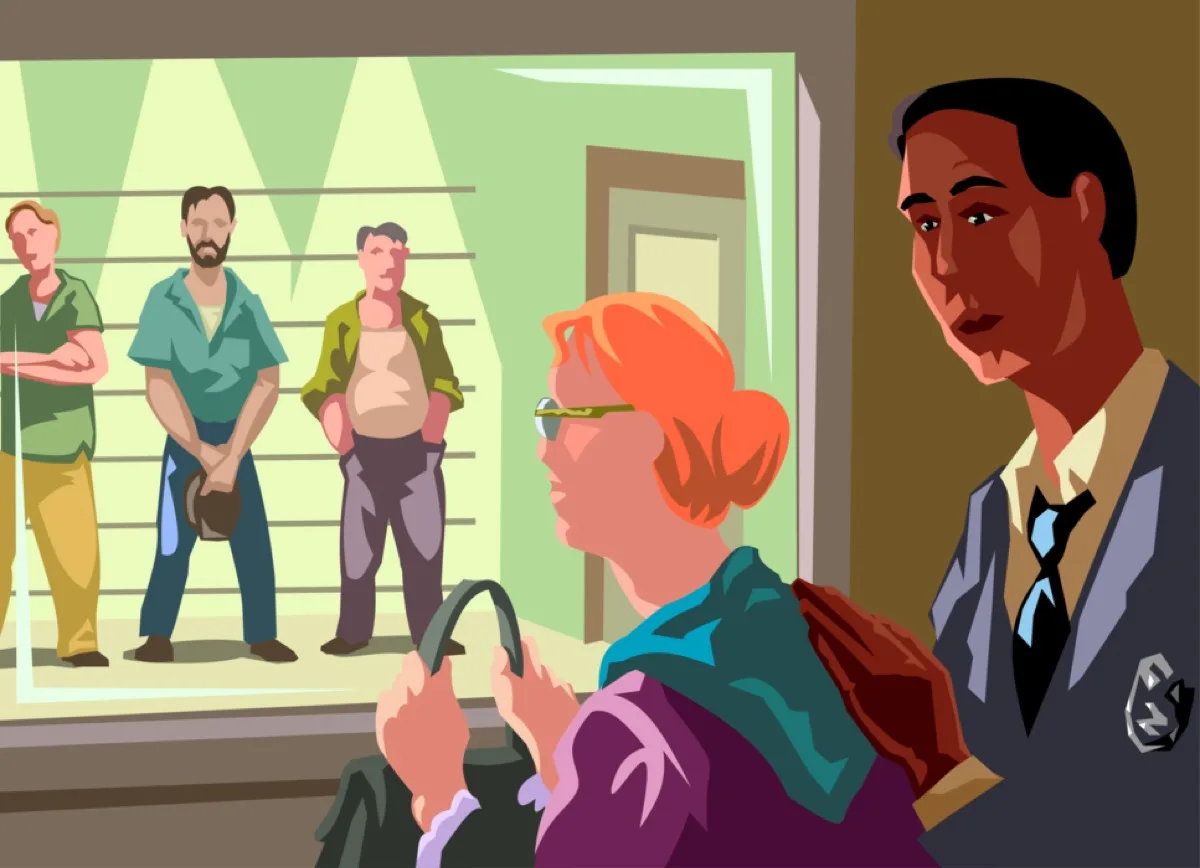
Victims of Crimes in Toronto Affidavits: Speaking to Crown or Police
If you are named as the complainant in a criminal matter in Ontario and you no longer want to proceed, you may have come across the term 'victim affidavit.' Here is what every Toronto complainant needs to know before speaking to the Crown.
Read articleHow Long Does a Criminal Case Take in Ontario?
Criminal cases in Ontario vary widely in length depending on the charge, the court, and the complexity of the issues. Here is a realistic breakdown of what to expect at each stage.
Read articleCriminal Trials in Toronto, Woodbridge, and Beyond: The Ultimate Guide from a Toronto Criminal Lawyer
While trials are relatively uncommon (about 90% of cases settle before trial), they are an integral part of the justice system. Here's what actually happens, start to finish, and how a skilled Toronto trial lawyer makes the difference.
Read articleCriminal Records and Your Future: A Fresh Start!
The two questions I get most often: Am I going to jail? Will I have a criminal record? Here's how to avoid a criminal record in Ontario, and why doing so matters more than you think.
Read article
Youth Offences in Toronto: What You Need to Know
Youth offences across the Greater Toronto Area are governed by the YCJA, which balances accountability with rehabilitation. If a young person is charged in Toronto, North York, Scarborough, Mississauga, or Brampton, understanding the process is crucial.
Read article