The government's appraiser values your property. Your lawyer's job is to make sure every dollar you are legally entitled to - not just the land value - ends up in the offer.
When a government authority expropriates property in Ontario under the Expropriations Act, the compensation framework is more comprehensive than most owners realize. The authority's initial offer typically covers market value and little else. The Act, however, entitles you to compensation under multiple distinct heads - and each one requires you to actively claim it, often with expert support.
1. Market Value: The Floor, Not the Ceiling
Market value is the amount that would be realized if the property were sold in the open market by a willing seller to a willing buyer, neither acting under compulsion. The key word is compulsion - the expropriation itself cannot depress the valuation. The date of valuation is typically the date the Notice of Expropriation was registered.
The authority will commission an appraisal. So should you. Your appraisal cost is usually recoverable rather than prepaid: under section 32, where the Ontario Land Tribunal awards you 85% or more of the amount offered, the authority must pay your reasonable appraisal and legal costs, and the Court of Appeal held in Shergar that the amount offered includes later settlement offers. Below that threshold costs are discretionary. So the authority very often ends up paying for your appraiser, but it does so through a costs order after compensation is determined, not by funding you up front. Independent appraisers frequently arrive at significantly higher values, particularly in urban Ontario where comparable sales may involve properties with very different development potential.
In a rising market - and Toronto and the GTA have seen significant appreciation - the date of valuation matters enormously. Where there is a gap between the Notice date and the Offer date, the appropriate date can itself become a contested issue.
2. Injurious Affection: Compensation for the Land You Keep
Injurious affection is compensation for damage to the portion of your land that was not taken. It is one of the most undervalued heads of compensation in most authority offers.
There is a second, separate limb that catches far more people. Under section 1(1)(b), an owner whose land is not expropriated at all can claim injurious affection for damage caused by the construction or use of the works: the businesses and homes beside a corridor rather than in it. That claim is governed by section 22, which bars it absolutely unless it is made in writing with particulars within one year of the damage being sustained or becoming known. No notice, plan or approval is ever served on such an owner, so nothing tells them the clock is running, and it is the one deadline in this area that regularly expires before the claimant knows a claim existed. The test is also narrower: the damage must flow from the construction rather than the use of the works, must be actionable but for the statutory authority, and is weighed on the reasonableness analysis set out in Antrim Truck Centre Ltd. v. Ontario (Transportation), 2013 SCC 13.
Common examples of injurious affection claims:
- A road widening removes parking from your commercial property, reducing its rental value and market value.
- A utility easement restricts what you can build on the remaining land.
- A partial taking splits a lot and renders the remnant too small for its prior use.
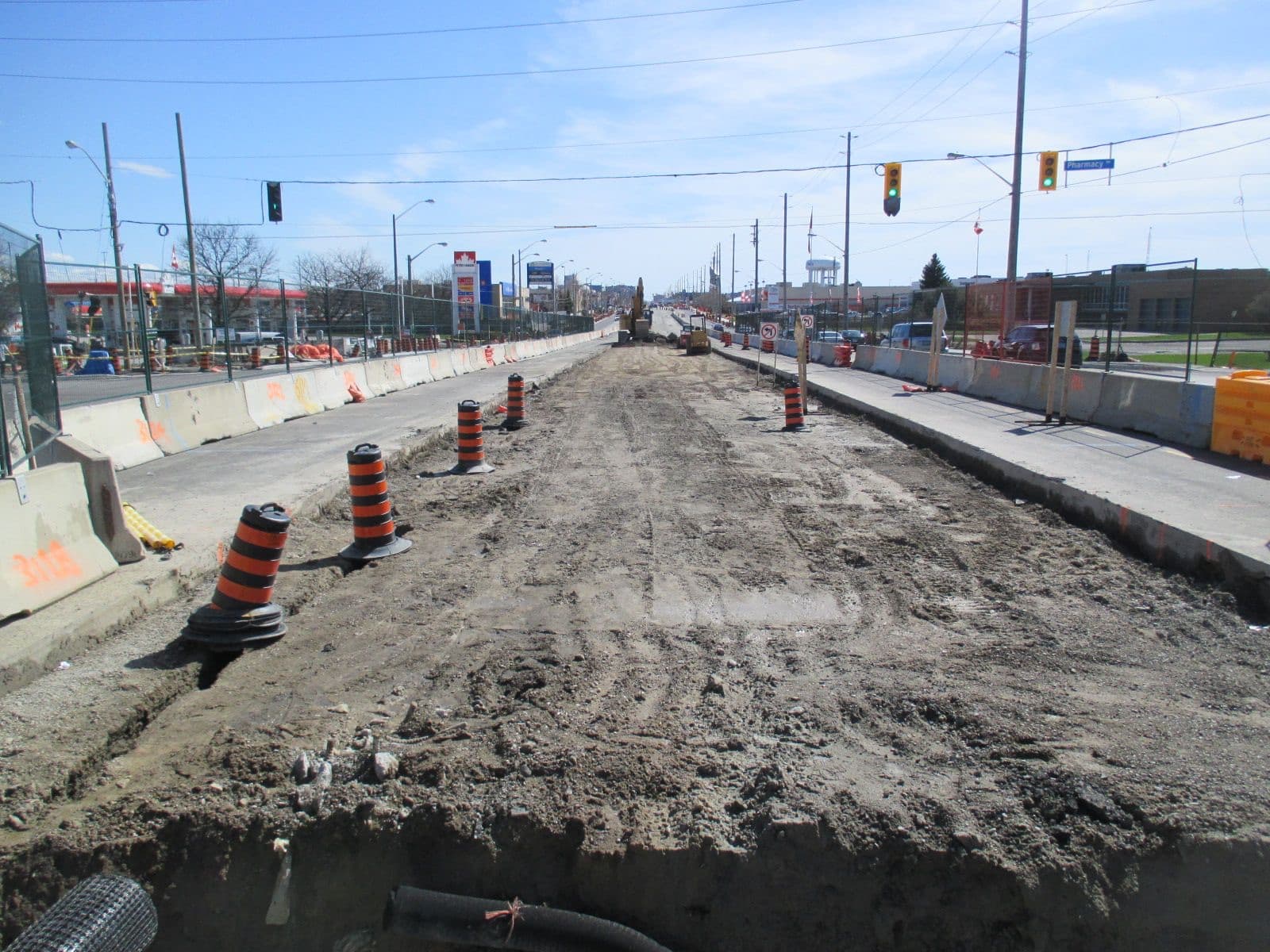
- A transit corridor acquisition eliminates direct road access to a retail or industrial site.
- Noise, vibration, and construction disruption from adjacent public works cause lasting value reduction.
Injurious affection claims frequently exceed the value of the expropriated land itself in commercial contexts. They require an appraisal of the before-and-after value of the remaining property and careful analysis of what specifically changed as a result of the taking.
3. Disturbance Damages: What You Actually Spend
Disturbance damages compensate you for out-of-pocket costs caused by the expropriation that are not captured in market value. The key statutory requirement is that these losses be naturally flowing from the expropriation and actually incurred. Common disturbance damage claims include:
- Moving and relocation costs - professional movers, packing, transport.
- Temporary storage - if you cannot immediately find replacement premises.
- Mortgage penalties - prepayment penalties triggered by the forced sale of a mortgaged property.
- Increased mortgage costs - if replacement financing carries a higher rate than the existing mortgage.
- Professional fees - real estate agent fees, legal fees for replacement purchase, architect and consultant fees for fit-up of replacement premises.
- Double rent or carrying costs - overlap periods when you are paying for both existing and replacement space.
These items need to be documented and claimed. Authorities do not proactively ask what your relocation will cost - you have to put those numbers forward with supporting evidence.
4. Business Loss Compensation
If you operate a business from the expropriated premises - retail, restaurant, professional office, industrial - you may be entitled to compensation for business losses that arise from the expropriation and cannot be avoided by reasonable relocation. This can include:
- Lost profits during the relocation period
- Goodwill and customer relationships that cannot be transferred to a new location
- The cost of re-establishing the business (signage, leasehold improvements, marketing)
- Staff disruption and retraining costs
Business loss claims require expert accounting evidence and are routinely contested by authorities. The strength of the claim depends heavily on the nature of the business, how location-dependent it is, and how thoroughly the losses are documented.
5. The Residential Allowance and Cost Recovery
Where the land taken was your home, section 18(1)(a)(i) of the Act adds an allowance of 5% of the market value of the residential part, for the inconvenience and cost of finding another residence, provided the land was not being offered for sale on the date of expropriation. Section 18(1)(a)(ii) adds a further allowance for improvements that market value does not reflect. Section 18(1)(b) is a separate allowance, for the cost of finding replacement premises where the premises taken did not include the owner's residence, and section 18(1)(c) covers relocation costs including moving, legal and survey costs. Tenants are dealt with separately: section 18(1) pays disturbance to an owner other than a tenant, so the 5% allowance is not a tenant's entitlement. A tenant occupying expropriated land is compensated under section 18(2), which pays so much of those costs as is appropriate having regard to the length of the term, the portion remaining, any right or reasonable prospect of renewal, the nature of the business, and the extent of the tenant's investment in the land.
Section 32 matters even more, and almost no owner knows about it. If the Ontario Land Tribunal awards you 85% or more of the amount the authority offered, the authority must pay your reasonable legal, appraisal, and other costs. You do not have to beat the offer, only come close to it. The qualification: in Shergar the Court of Appeal held the amount offered is not limited to the section 25 offer, so a later settlement offer raises the bar, and falling below 85% of it leaves costs to the Tribunal's discretion, including costs against you.
The Section 25 Payment: Your Immediate Entitlement
Once the authority serves its Offer of Compensation, section 25 entitles you to immediate payment of 100% of the market value the authority itself estimates for your land. You take that money without prejudice: accepting it does not settle your claim, does not waive anything, and does not limit your ability to negotiate or go to the Tribunal for more. It is a statutory right. Do not leave it sitting there while you work toward a better number.
How to Maximize Your Expropriation Compensation
The formula is consistent: get an independent appraiser to value market value and injurious affection; document every cost you will incur in relocating; get expert evidence on business losses if applicable; and have a lawyer prepare a comprehensive compensation claim that puts all of it before the authority. Most authorities respond meaningfully to a well-supported claim because the cost of the Ontario Land Tribunal hearing that follows a refusal is significant on both sides.
For more on the expropriation process and the Hearing of Necessity, see our introductory guide to expropriation rights. For questions about our expropriation practice, visit the expropriation practice page.