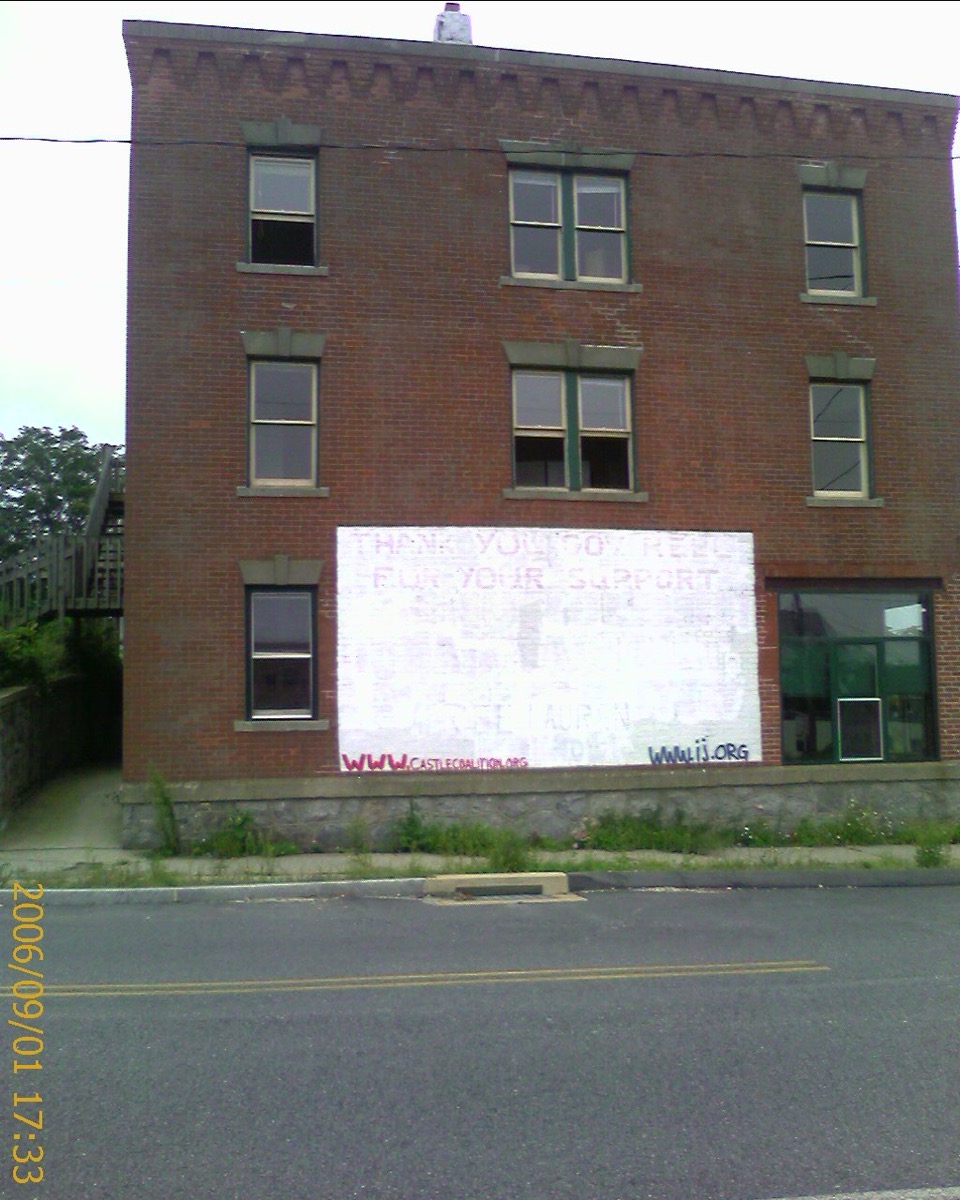
Expropriation is one of the few situations in law where the other side writes the first cheque and then invites you to argue about the rest. Most owners take it without finding out what else the Act entitles them to claim.
In Ontario, expropriation - the compulsory taking of private property by a government authority - is governed by the Expropriations Act, R.S.O. 1990, c. E.26. The Act creates a structured process with defined timelines, but it also contains significant rights for property owners that most never exercise simply because they do not know those rights exist.
Who Can Expropriate Your Property?
The list is longer than most people expect. Municipal governments widening roads, building transit corridors, or expanding utilities can expropriate. The Province of Ontario can expropriate for highway expansions, hydro transmission lines, and other provincial infrastructure. Metrolinx and other transit agencies have been active expropriators as the Toronto-area transit network expands. Conservation authorities and school boards can also use expropriation powers. Hydro One has extensively used expropriation for transmission corridors across Ontario.
The common thread: the authority has a public purpose that it has decided requires your land. Whether that purpose actually justifies the scope of the taking, and whether you are being offered fair value, are questions a lawyer should examine before you sign anything.
The Expropriation Process: What Happens Step by Step
The Expropriations Act prescribes the sequence:
- Notice of Application for Approval to Expropriate is served on you and registered on title. From this date you have 30 days to request a Hearing of Necessity. This is a hard deadline. Missing it forfeits one of your most important procedural rights.
- Hearing of Necessity (where still available, and if requested): an Ontario Land Tribunal member holds a hearing and issues a report on whether the proposed expropriation is fair, sound, and reasonably necessary. The officer's report is not binding but carries real weight and creates negotiating leverage.
- Expropriation Plan registered on title: once the approval process is complete, the authority registers the plan. Your ownership of the taken land is extinguished at this point.
- Offer of Compensation: within three months of registration, and before taking possession, the authority must serve a written offer with an appraisal report. Under section 25 that offer must include immediate payment of 100% of the market value the authority itself estimates for your land. You can take the money without prejudice to claiming more.
- Negotiate or refer to the Ontario Land Tribunal: if you disagree with the compensation, you negotiate directly or refer the matter to the Ontario Land Tribunal for a binding determination.
The 30-Day Hearing of Necessity Window
The Hearing of Necessity is often the most overlooked and most valuable right in the entire process. Most owners receive the Notice, glance at the legal description, and assume the expropriation is a done deal. It is not - not yet.
At a Hearing of Necessity, you can argue that a different parcel or alternative route would achieve the authority's purpose with less impact on your property. You can argue that a partial taking or easement would suffice rather than full ownership. You can challenge whether the authority has genuinely explored alternatives. An unfavourable inquiry officer's report does not stop the expropriation but it creates real delay and public scrutiny, both of which translate into negotiating pressure on compensation.
You have 30 days from the Notice. If you receive a Notice of Application, the first call you make should be to a lawyer.
What Compensation Are You Entitled To?
Ontario's Expropriations Act is more generous than most owners realize - if you claim everything you are entitled to. The full package includes:
- Market Value of the land taken, based on a willing buyer / willing seller standard at the date of valuation. You should commission your own appraisal. Your appraisal cost is usually recoverable rather than prepaid: under section 32, where the Ontario Land Tribunal awards you 85% or more of the amount offered, the authority must pay your reasonable appraisal and legal costs, and the Court of Appeal held in Shergar that the amount offered includes later settlement offers. Below that threshold costs are discretionary. So the authority very often ends up paying for your appraiser, but it does so through a costs order after compensation is determined, not by funding you up front.
- Injurious Affection - compensation for reduced value to the land you keep. A partial road widening that eliminates parking, splits a lot, or severs access often causes injurious affection losses that rival or exceed the value of what was taken.
- Injurious Affection where no land is taken - the Act's other limb, under section 1(1)(b), for owners damaged by the construction or use of the works without any of their land being expropriated. Section 22 imposes a hard one-year deadline: written notice with particulars within one year of the damage being sustained or becoming known, failing which the claim is forever barred. Nothing is served on you to start the clock, so it can expire before you know you had a claim. The test is narrower than on a partial taking, and turns on the reasonableness analysis in Antrim Truck Centre Ltd. v. Ontario (Transportation), 2013 SCC 13.
- Disturbance Damages - moving and relocation costs, temporary storage, mortgage penalties triggered by forced refinancing, and the reasonable cost of re-establishing in a comparable location.
- Business Loss Compensation - lost profits and goodwill if you operate a business on the expropriated property. These require expert evidence but are frequently recoverable.
- The 5% residential allowance - where the land taken was your home, section 18(1)(a)(i) adds 5% of the market value of the residential part, provided the land was not being offered for sale on the date of expropriation, and section 18(1)(a)(ii) adds an allowance for improvements not reflected in market value. This allowance is payable to an owner other than a tenant; a tenant occupying expropriated land is compensated for disturbance under section 18(2) instead, apportioned by the length of the term, the portion remaining, renewal prospects, the nature of the business, and the extent of the tenant's investment.
- Legal and Appraisal Costs - under section 32, recoverable from the authority if you are awarded 85% or more of what they offered, so you need not beat the offer outright. Later settlement offers count toward that threshold too, per Shergar, and below it costs are discretionary.
The Section 25 Payment: Take It Without Prejudice
One of the most misunderstood provisions of the Act. Section 25 requires the authority to offer immediate payment of 100% of the market value it estimates for your land, and the Act provides that payment and receipt of that sum is without prejudice to your rights. Accepting it does not settle your claim, waive any argument, or stop you negotiating or going to the Ontario Land Tribunal for the balance. Declining it to signal displeasure accomplishes nothing except leaving your own money with the authority. Take the payment and keep arguing for the rest. The document to be careful about is a full and final release, which is a different thing entirely.
What Owners Get Wrong
The most common mistake is treating the authority's initial offer as the whole of the analysis. That offer is prepared by an appraiser the authority retains and pays, and it is aimed at the market value of what is taken. Injurious affection to the land you keep, disturbance damages and business loss are separate statutory heads, and an offer can be defensible on market value while leaving those unassessed. An independent appraisal is how you find out.
The second most common mistake is waiting. The 30-day Hearing of Necessity window cannot be extended by goodwill or correspondence. If you received a Notice, the window is worth checking before anything else.
For a full explanation of what compensation categories apply to your situation, see our expropriation practice page. For general civil property disputes, our civil litigation page covers related matters.