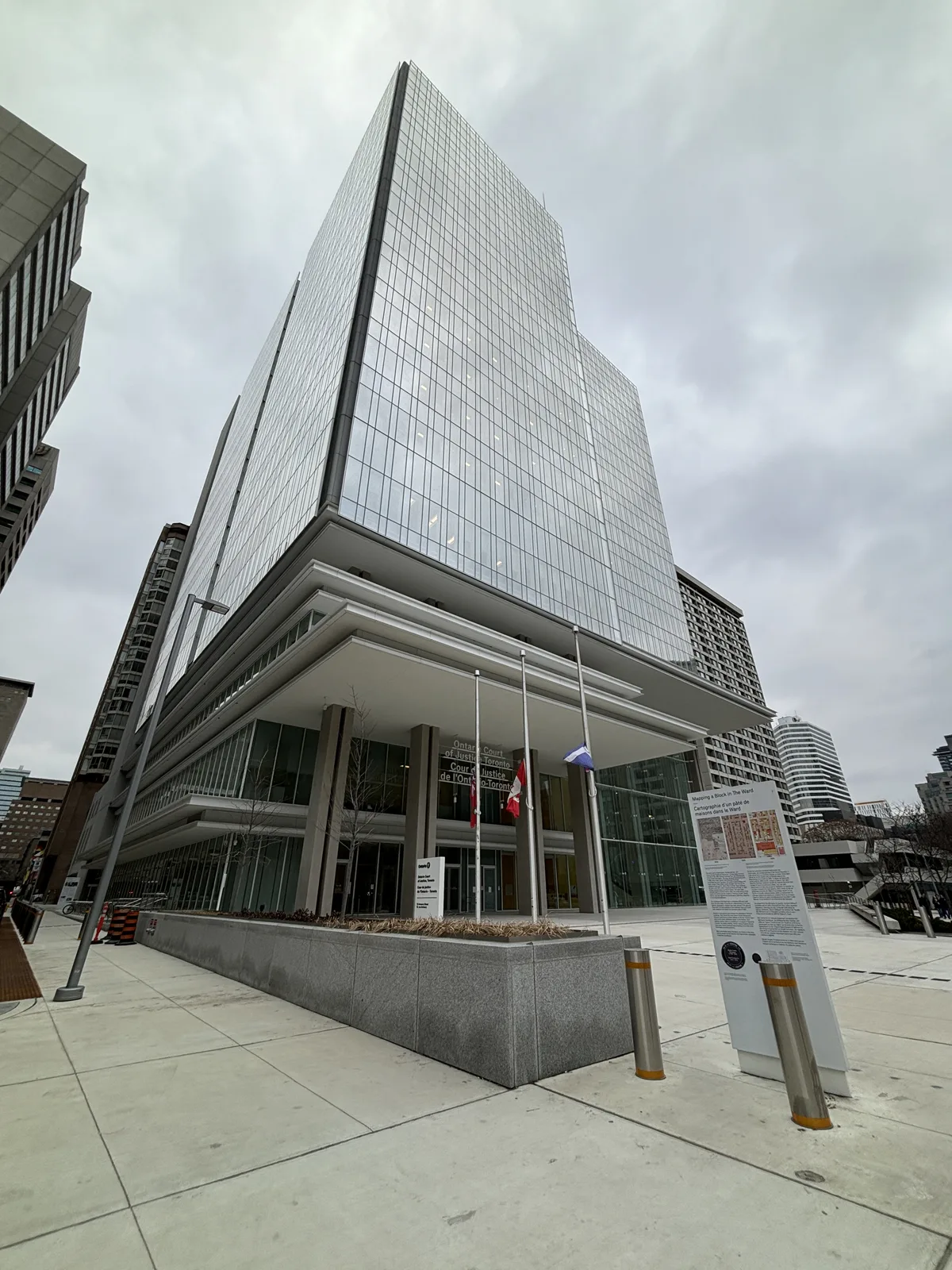
Probation is the most common sentence in Ontario criminal courts. Understanding your conditions precisely and following them strictly is not optional. A breach is a new criminal charge.
Probation is a community sentence under section 731 of the Criminal Code that allows an offender to serve their sentence outside of custody, under the supervision of a probation officer and subject to conditions set by the court. It is attached to many sentences in Ontario, either as a standalone disposition or alongside a fine or suspended sentence. Understanding what probation requires and what happens if you breach it is essential for anyone who receives this sentence.
Standard and Optional Conditions
Every probation order in Ontario includes the same three mandatory conditions: keep the peace and be of good behaviour, appear before the court when required to do so, and notify the court or probation officer of any change of address or employment. These are non-negotiable.
In addition to mandatory conditions, the court may impose optional conditions tailored to the circumstances of the offence and the offender. Common optional conditions include reporting to a probation officer regularly, abstaining from alcohol and non-prescription drugs, attending counselling or treatment, performing community service, staying away from specific persons or locations, maintaining a curfew, and refraining from owning or possessing weapons.
In cases involving domestic violence or uttering threats, no-contact conditions and non-attendance conditions are typically imposed. These are among the most commonly breached conditions and deserve particular attention.
Probation Is Not the Same as House Arrest
People often use "probation" loosely to mean any non-jail sentence, but it is a specific thing, and it helps to see how it differs from the alternatives. Probation lets you live your normal life subject to conditions and, usually, supervision; it is not a sentence of imprisonment. A conditional sentence, by contrast, is a jail term served in the community, typically starting with strict house arrest, imposed instead of going to a correctional facility. A suspended sentence is a third thing: the court convicts but suspends the passing of sentence and places you on probation, so the probation order carries the whole weight. The label matters, because it determines how restrictive your daily life will be and what happens if something goes wrong, which is why the sentencing submission that shapes which one you receive is worth real preparation.
Length of Probation
The maximum length of a probation order is three years. For most offences, probation terms run between twelve and twenty-four months. Where probation is attached to a conditional sentence order, the probation typically follows the conditional sentence period.
Reporting to a Probation Officer
Where a probation order includes a reporting condition, the offender must attend the probation office at scheduled intervals and must notify the officer of any significant life changes. Probation officers have the authority to contact employers, treatment providers, and family members to verify compliance. They can also apply to vary the conditions of probation if circumstances change.
Breach of Probation
Failing to comply with a probation condition is a criminal offence under section 733.1 of the Criminal Code. On summary conviction, the maximum penalty is two years less a day in prison. On indictment, the maximum is four years. More practically, a breach charge puts the accused back in front of a judge who now knows that the original sentence was not taken seriously, which affects the outcome on both the breach and any underlying charges still outstanding.
If your circumstances have changed and you find it difficult to comply with one of your conditions, the right move is to seek a variation of the order, not to ignore the condition. A criminal lawyer can bring a variation application before the court to modify conditions that are no longer appropriate.
Section 731 of the Criminal Code governs the imposition of probation orders in Canada, including mandatory and optional conditions.