
Elias Rabinovitch Law
Civil Practice Most matters settle before trial

Toronto Debt Collection Lawyer: Recover What You Are Owed

Elias Rabinovitch · Toronto Defence Lawyer · Available 24/7

Free
Initial consultation
24/7
Emergency availability
90%+
Resolved without trial
GTA-wide
Toronto, Brampton, Mississauga & beyond
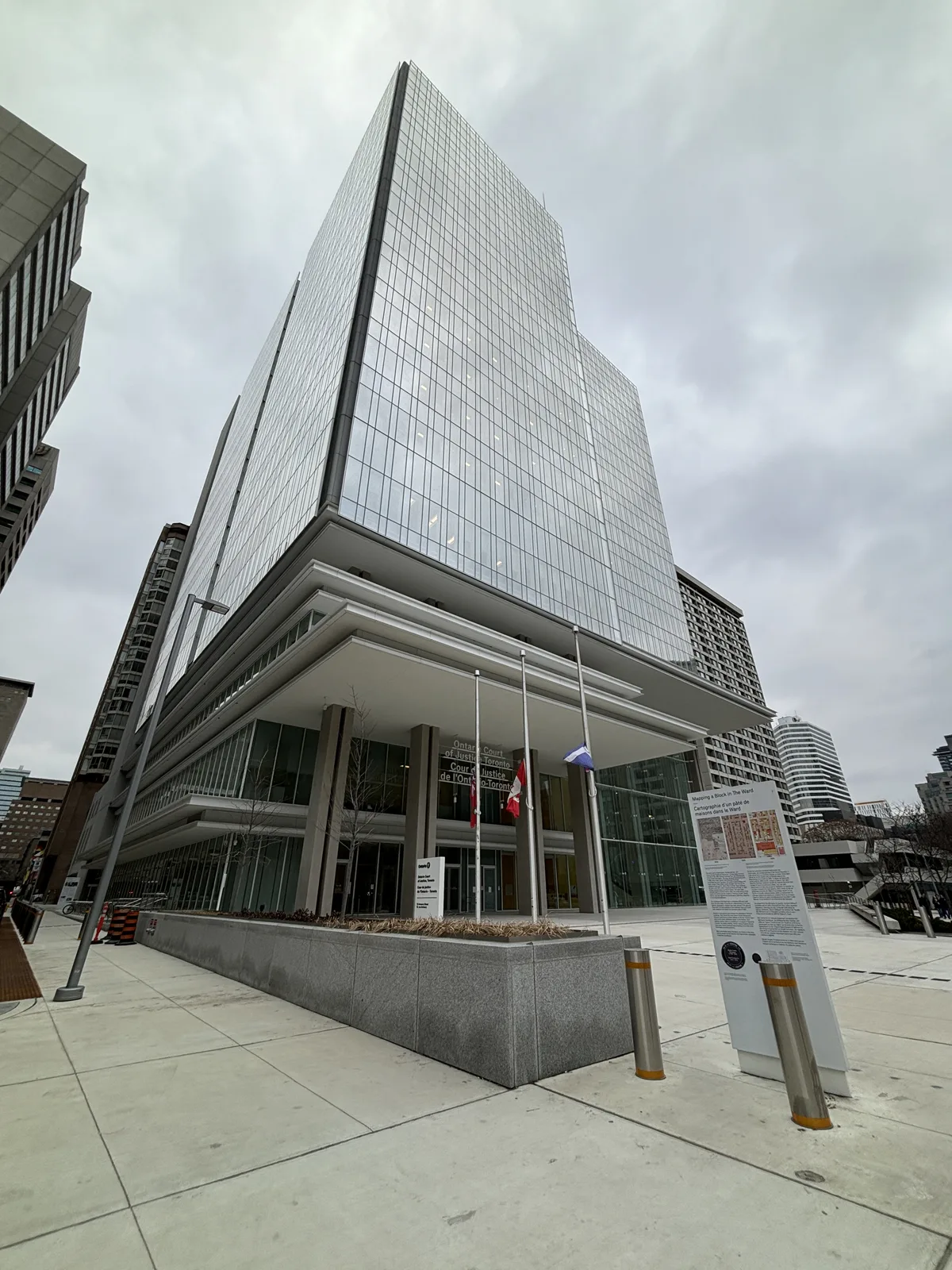
Debt collection lawyer Toronto Ontario - recovering unpaid invoices and enforcing judgments

Being owed money is not the same as being able to collect it. My job is to close that gap: from the first demand letter to a judgment, and then to actually enforcing it.

Unpaid invoices, a loan that was never repaid, a contract broken and a deposit gone. For individuals and small businesses, an uncollected debt is money already earned and still missing. I help clients across Toronto and the GTA recover what they are owed, using the right tool for the size of the debt and the situation of the debtor.

How Debt Recovery Works in Ontario

  • The demand letter. A clear, lawyer drafted demand sets out what is owed, why, and by when, and states what happens if it is not paid. Many debts resolve here, before anything is filed, because the debtor understands the alternative.
  • Small Claims Court (up to $50,000). Designed to be accessible: modest filing fees, a simplified process, and a settlement conference before any trial. The right forum for most everyday debts.
  • Superior Court (over $50,000). More formal, but with stronger tools, including summary judgment for clear debts and a costs regime that returns a portion of your legal fees when you win.
  • Enforcement. A judgment is only the halfway point. Garnishment, writs of seizure and sale, and examinations in aid of execution turn a judgment into actual dollars.
"A good demand letter is the cheapest step in the whole process, and often the most effective. A great many debts never make it past it."

Two Deadlines That Decide Cases

Two dates matter more than any argument about the merits. The first is the limitation period: under Ontario's Limitations Act you generally have two years from when you knew, or ought to have known, of the claim. For an unpaid invoice, that clock usually starts when payment was due and not made. Let it run out and a valid debt becomes uncollectable. The second is collectability: a judgment against someone with no income and no assets is a piece of paper. I raise that question at the start, not the end, because it decides whether pursuing the debt makes sense at all.

Enforcing a Judgment

When a debtor will not pay, Ontario law provides tools matched to what they have. Garnishment reaches wages and bank accounts. A writ of seizure and sale, registered on title, attaches to real estate and often forces payment the moment the debtor tries to sell or refinance. An examination in aid of execution compels the debtor to disclose their income and assets under oath, so you know which tool to use. A judgment also carries post judgment interest until it is paid, so a debtor who stalls only enlarges the debt.

On Contingency Where It Fits

For strong claims against a debtor who can actually pay, I can often act on a contingency fee, so there is no legal fee up front and I am paid from the recovery. For broader disputes, see our civil litigation page, and browse the blog for detailed guides on Small Claims recovery and enforcing a judgment. If you are owed money and cannot get paid, the first consultation is free.

Frequently Asked Questions
How do I collect a debt someone owes me in Ontario?+

Recovery usually starts with a formal demand letter setting out the amount owed and a deadline to pay. If that does not work, you sue: in Small Claims Court for debts up to $50,000, or in the Superior Court of Justice for larger amounts. Once you have a judgment, you enforce it through garnishment, a writ of seizure and sale, or an examination of the debtor. Many debts resolve at the demand letter stage before any court process.

What is the limit for Small Claims Court in Ontario?+

Small Claims Court in Ontario handles claims up to $50,000, not including interest and costs. It is designed to be accessible, with modest filing fees, a simplified procedure, and a mandatory settlement conference before trial. Debts above $50,000 must be pursued in the Superior Court of Justice, which is more formal but offers stronger tools like summary judgment and better costs recovery.

How long do I have to sue for an unpaid debt in Ontario?+

Generally two years. Under Ontario's Limitations Act, you have two years from the date you knew, or ought to have known, that you had a claim, which for an unpaid invoice is usually when payment was due and not made. If you let the two years pass, the debtor can rely on the limitation period as a complete defence and an otherwise valid debt becomes uncollectable. Act before the clock runs out.

What happens if I win but the debtor still will not pay?+

A judgment is not automatic payment. You enforce it. Garnishment redirects the debtor's wages or bank funds to you. A writ of seizure and sale registered on title attaches to real estate and often forces payment when the debtor tries to sell or refinance. An examination in aid of execution compels the debtor to disclose their income and assets under oath. The judgment also accrues post judgment interest until it is paid.

Can a debt collection lawyer work on contingency?+

For strong claims against a debtor who can actually pay, yes. A contingency fee means no legal fee up front, with the lawyer paid a percentage of what is recovered. Whether contingency is available depends on the strength of the claim and whether the debtor has assets or income to satisfy a judgment. A weak claim, or a claim against someone with nothing to collect, is not a good candidate for a contingency arrangement.

Free Consultation

Ready to talk about your case?

Free, confidential. I'll give you an honest read of where you stand and what's achievable.

Official Resources

Trusted government, regulatory, and legal aid sources relevant to this area of law:

Available right now
647-547-6734