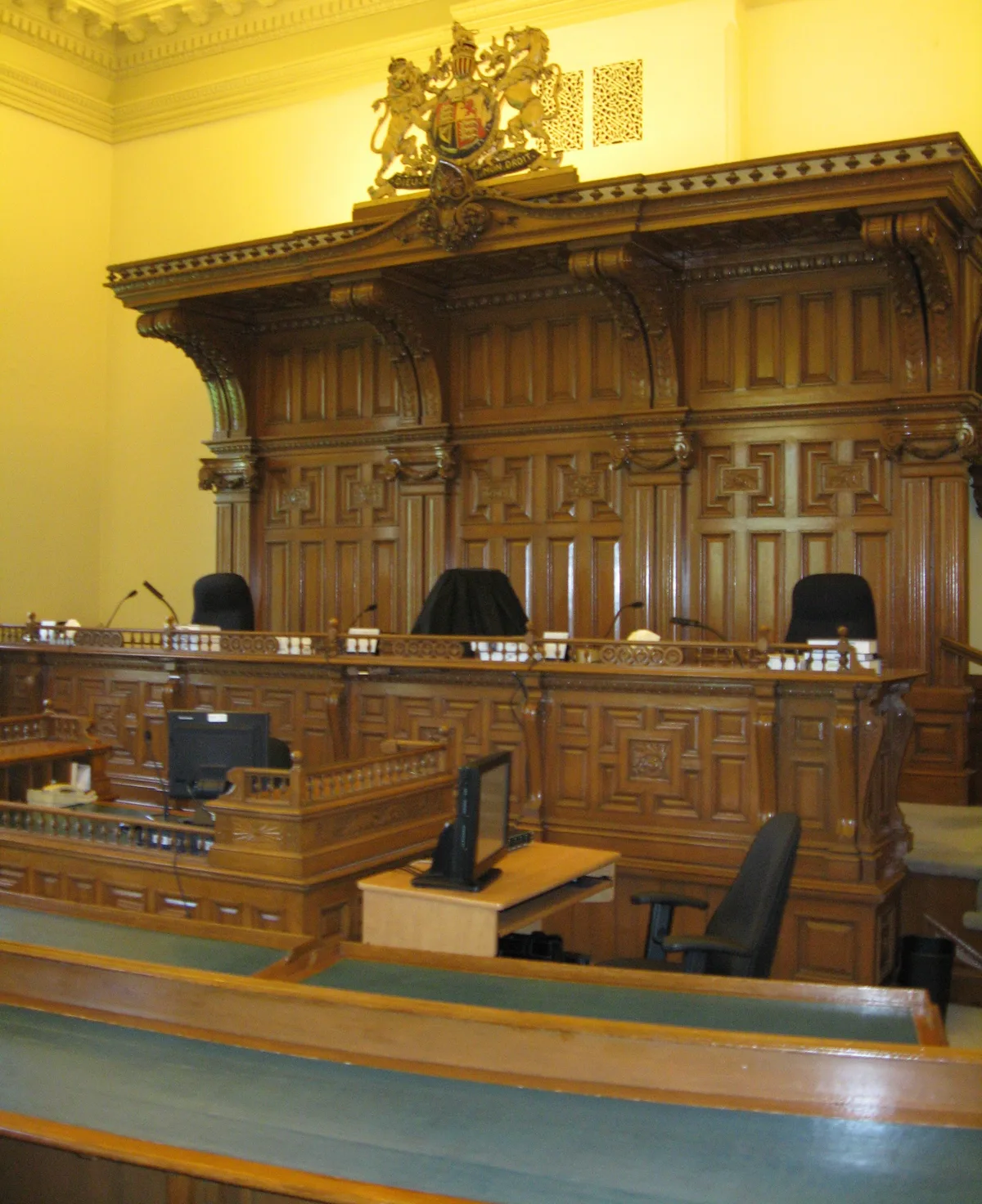
A jury of twelve peers decides your guilt or innocence. Every juror must be convinced beyond a reasonable doubt, or you walk free. Understanding how the system works is your first step toward using it effectively.
Every person charged with an offence in Canada carrying a maximum penalty of five years or more has the right to elect trial by jury. Jury trials represent the highest form of the trial process in the Canadian criminal justice system. They involve extensive pre-trial procedures, the selection of twelve impartial jurors, and a full evidentiary hearing governed by the rules of evidence. The verdict must be unanimous.
Electing a Jury Trial
When an accused person faces an indictable offence in Ontario, they must make an election: trial by provincial court judge alone, trial by Superior Court judge alone, or trial by judge and jury. The decision depends on the nature of the charge, the evidence, and strategic considerations unique to each case. Generally speaking, jury trials make sense where the facts are sympathetic, where the case turns on a factual question rather than a complex legal argument, or where the accused's credibility is strong and compelling.
For charges like sexual assault or domestic violence, the jury election can be particularly significant because jurors bring the perspective of ordinary community members rather than legal professionals who hear hundreds of these cases.
Jury Selection: The Empanelment Process
Jury selection in Ontario is a structured process under Part XX of the Criminal Code. A panel of prospective jurors is summoned from the community. The judge screens jurors for obvious disqualifying factors. Then both the Crown and defence have peremptory challenges and challenges for cause available to them. Since 2019, peremptory challenges have been abolished in Canada. However, challenges for cause based on partiality, particularly in cases involving racial bias, remain an important tool for ensuring a fair jury.
The Trial Process
After the jury is selected, the trial proceeds through opening statements, Crown evidence, defence evidence if any, closing addresses, and the judge's charge to the jury. The charge is a detailed legal instruction explaining the elements of the offence, the standard of proof, and how to apply the law to the facts. A well-crafted jury charge, argued for by defence counsel, can be decisive.
The jury deliberates in private. Their deliberations are confidential and cannot be disclosed. They must reach a unanimous verdict. If they cannot agree, a mistrial is declared and the Crown decides whether to proceed to a new trial.
The Practical Realities of Choosing a Jury
A jury trial is the most resource-intensive way to resolve a charge. It usually means a longer wait for trial dates, a longer trial itself, and a process governed strictly by the rules of evidence, which can keep certain material away from the jury in ways that help or hurt. The pay-off is twelve community members rather than a single judge, and a verdict that must be unanimous, so a single juror left with a reasonable doubt prevents a conviction. That same feature cuts both ways, because a lone juror can also hang a jury and lead to a retrial. Weighing that unpredictability against the sympathy a jury might bring to your facts is the heart of the election decision.
Jury vs Judge-Alone: Making the Election
The decision between a jury trial and a judge-alone trial is one of the most consequential strategic decisions in a criminal case. Experienced criminal defence lawyers in Toronto and across Ontario have strong views on this, views that are informed by the specific facts, the evidence, the charge, and the local court culture. There is no universal right answer.
The ultimate guide to criminal trials in Ontario provides a comprehensive overview of the entire trial process, from election through verdict.
Section 638 of the Criminal Code governs challenges for cause during jury selection, including challenges based on bias or partiality.