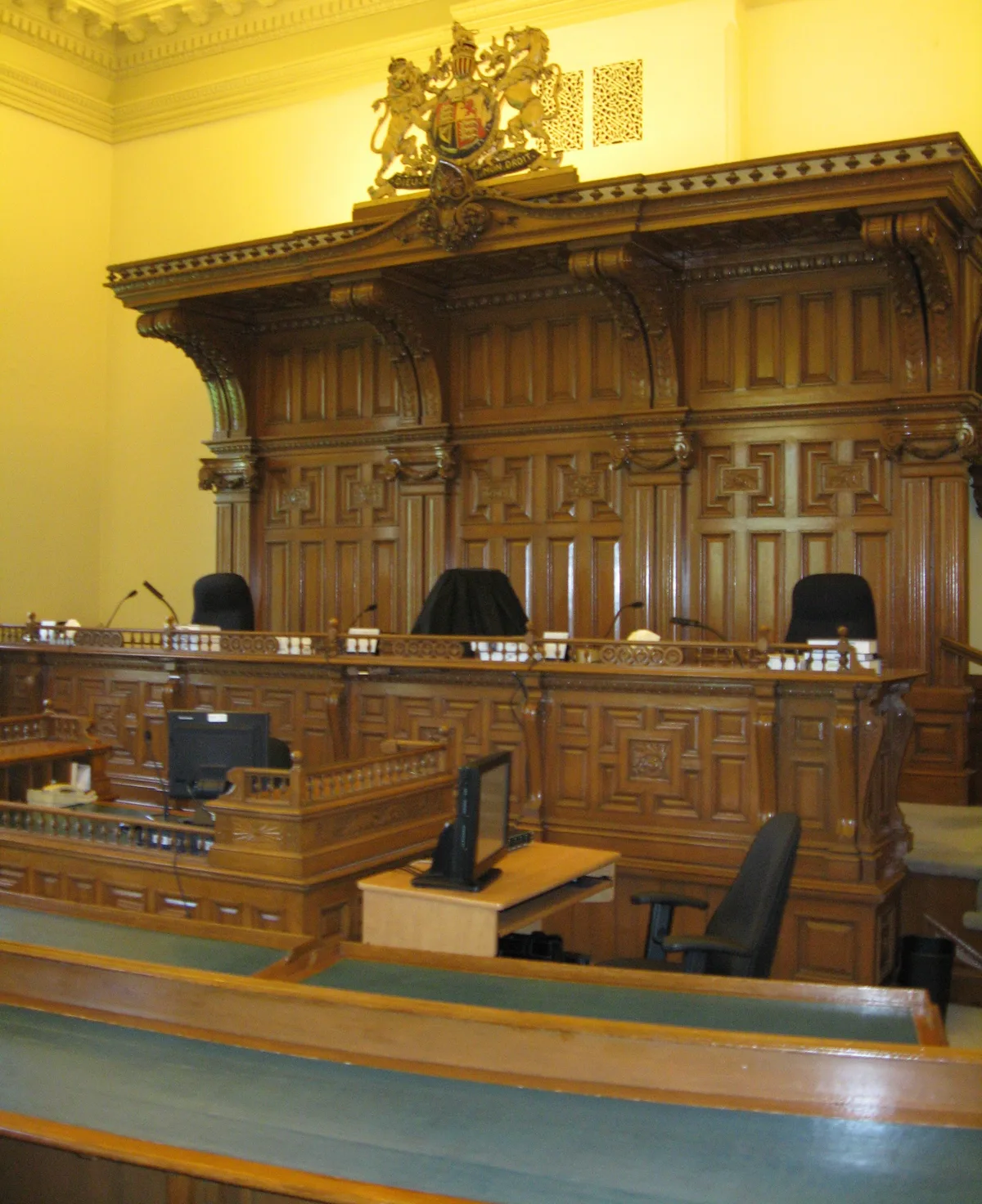
A preliminary inquiry is a rare but powerful tool that lets the defence test the Crown's witnesses before trial, lock in their testimony, and expose weaknesses in the prosecution's case.
A preliminary inquiry, sometimes called a prelim, is a hearing held before a provincial court judge to determine whether there is sufficient evidence to commit an accused person to stand trial in Superior Court. Preliminary inquiries are available only for indictable offences where the accused elects trial by judge and jury or judge alone in Superior Court. Since legislative amendments in 2019, they are only available as of right for offences carrying a maximum penalty of fourteen years or more. For other indictable offences, the judge must consent to holding a preliminary inquiry.
What Happens at a Preliminary Inquiry
At a preliminary inquiry, the Crown calls its witnesses and those witnesses are subject to cross-examination by defence counsel. The standard for committal to trial is low: the judge asks only whether there is any evidence upon which a properly instructed jury could convict. This is not the same as determining whether conviction is likely, and it is not the same as a finding of guilt. The vast majority of accused persons who reach a preliminary inquiry are committed to stand trial.
The real value of a preliminary inquiry is not the discharge of the accused. It is the opportunity to cross-examine witnesses under oath before trial. This is invaluable preparation for cases involving sexual assault charges, domestic violence charges, and any matter where the complainant's credibility will be a central issue at trial.
Strategic Uses of Preliminary Inquiries
Preliminary inquiries serve several strategic functions. First, they lock in witness testimony. Once a witness gives evidence under oath at a prelim, that testimony can be used at trial to cross-examine the witness on inconsistencies. Second, they reveal weaknesses in the Crown's case. A witness who performs poorly under cross-examination at a prelim may be less persuasive to the Crown attorney, potentially opening the door to better plea negotiations or even withdrawal.
Third, preliminary inquiries provide an opportunity to obtain additional disclosure. Witnesses may reveal details that were not included in their original statements, leading to applications for further disclosure from the Crown. This can be particularly valuable in complex cases involving weapons charges or cybercrime where the technical evidence is difficult to assess without live testimony.
The Trade-Off: Time Versus Advantage
A preliminary inquiry is not free of cost, even where it is available. It adds hearing dates and pushes the trial further out, which matters when the accused is living under restrictive bail conditions or simply wants the matter behind them. It also gives the Crown a preview of the defence's cross-examination and a chance to shore up weak spots before trial. The decision to hold one is therefore a genuine trade-off, weighing the value of testing and locking in the evidence against the delay and the early disclosure of strategy. In credibility cases it is often worth it; in documentary or forensic cases it frequently is not, and that judgment is made file by file.
When a Preliminary Inquiry Is Worth Pursuing
Not every case benefits from a preliminary inquiry. In matters where the Crown's evidence is primarily documentary or forensic, a preliminary inquiry adds less value because there are no eyewitnesses to cross-examine. In cases where the complainant's credibility is central, a preliminary inquiry can be transformative. Your lawyer will assess whether requesting a preliminary inquiry is strategically sound given the specific facts and evidence in your case.
The ultimate guide to criminal trials in Ontario explains how preliminary inquiries fit into the broader trial process and what comes after committal to the Superior Court.
Sections 535 to 551 of the Criminal Code govern the preliminary inquiry process in Canada, including the right to request a preliminary inquiry and the rules for conducting one.