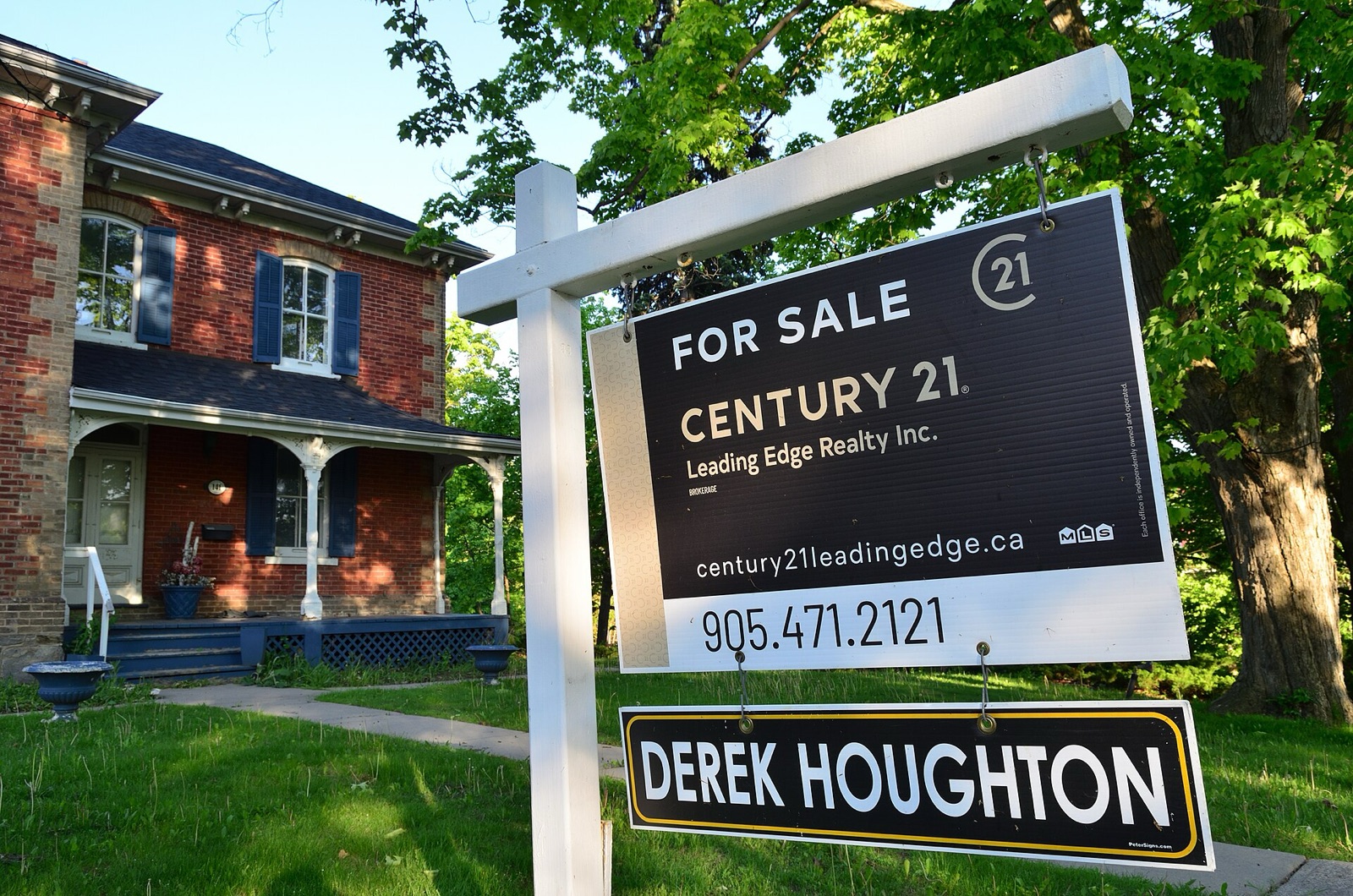
The deposit is a floor, not a ceiling. In a falling market the difference between those two things is measured in years of someone's savings.
The most expensive misunderstanding in Ontario real estate right now is the belief that a buyer who cannot close loses the deposit and walks away. In Chu v. Kumar, decided in 2026, buyers who abandoned an unconditional deal on a $50,000 deposit faced judgment of $188,075.22, plus $75,000 in costs across two actions. The deposit was roughly a fifth of the damage.
What a seller can claim
- The deposit. Ontario law generally permits a seller to retain it on the buyer's breach even without proving actual loss, subject to a narrow discretion to relieve against forfeiture.
- Resale loss. The gap between the contract price and what the property eventually sold for. In a declining market this is the largest number by a wide margin, and it is the one buyers never anticipate.
- Carrying costs. Mortgage interest, property taxes, insurance, utilities and maintenance for the whole period between the failed closing and the resale.
- Costs. Ontario is a loser pays jurisdiction, so a successful seller ordinarily recovers a portion of legal fees on top of everything above.
The counterweight: mitigation
A seller cannot simply sit on the property and run up the meter. The duty to mitigate requires reasonable steps to resell, and a seller who relists at an unrealistic price, declines reasonable offers, or markets the property half-heartedly will find the claim reduced accordingly.
This cuts both ways and it is why the weeks immediately after a failed closing matter more than anything that happens later. For a seller, the relisting decisions are evidence. For a buyer facing a claim, the seller's conduct in those weeks is often the best available defence.
The appraisal gap
The leading current cause of failed transactions is the appraisal gap: the lender values the property below the agreed price, the mortgage advance falls short, and the buyer cannot fund the balance on closing. It bites hardest on pre-construction condominiums bought at peak pricing and closing years later into a different market.
A financing shortfall is generally not a legal excuse for failing to close an unconditional agreement. That is precisely why the exposure catches people unprepared: the reason the deal failed feels entirely outside the buyer's control, and the law does not particularly care.
If you are the buyer, what actually helps
Not silence. Letting the closing date pass without engaging is the one approach that never improves the position. Depending on the file there may be room in the wording of the agreement, in the conduct of the other side, in a misrepresentation in how the unit was marketed, or in a negotiated extension or price adjustment that is cheaper for both parties than litigation. All of those options shrink as time passes.
Before suing: can they pay?
A judgment against a defendant with no assets is an expensive piece of paper, and this is worth establishing at the first meeting rather than at the end of a file. Is there equity in other property that a writ could attach to? Income to garnish? A guarantor, a co-signer, or a corporate defendant with assets? Where there is a chain of collapsed transactions, is there a party further up it with more to lose? For how enforcement actually works once you have judgment, see debt collection and judgment enforcement.
I act for sellers in these disputes, not buyers. More on what a seller can recover on the real estate litigation page.