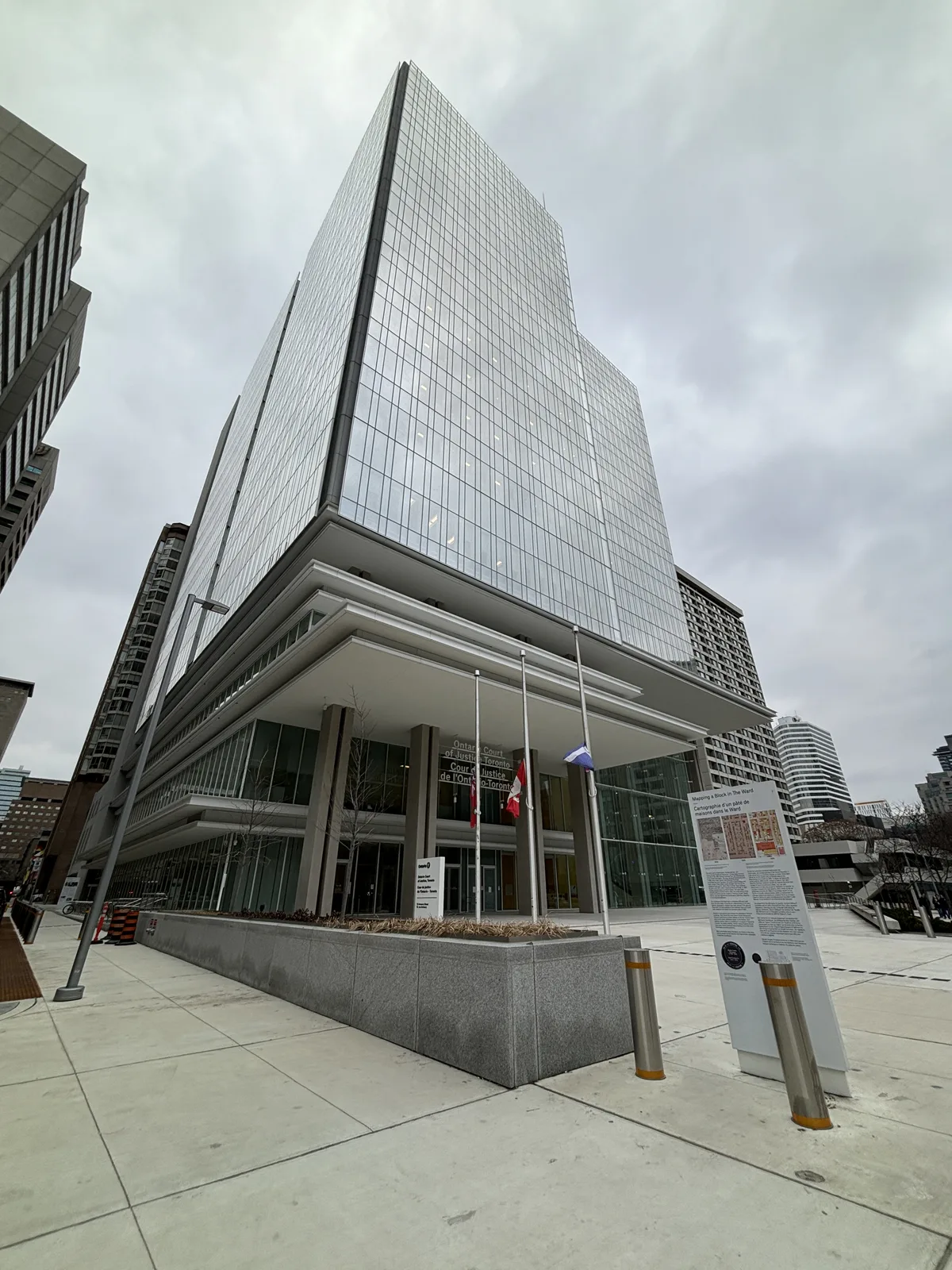
Your first court appearance is not a trial. Nothing is decided that day. But how you handle it sets the tone for everything that follows.
When you are charged with a criminal offence in Ontario, you will be given a document that tells you when and where to appear in court. This is called your first appearance, and most people arrive not knowing what to expect. The courtroom can be intimidating, the process is unfamiliar, and the stakes feel enormous. Understanding what happens that day, and how to handle it, is the first step toward protecting your record.
What Actually Happens at a First Appearance
A first appearance in Ontario provincial court is an administrative event. The judge or justice of the peace is not there to hear evidence or decide guilt. The purpose is to confirm that you know about the charge, ensure you have a lawyer or are seeking one, and set a date for the next step. In most courtrooms, the clerk calls your name, you stand, and the matter is adjourned for election and plea, or for disclosure to be provided. The whole thing can take under five minutes.
Before your first appearance, you should speak with a criminal defence lawyer. Even a brief consultation with duty counsel at the courthouse can give you a map of what to expect. Arriving with legal representation, or at least after speaking with a lawyer, puts you in a far better position than walking in cold.
Do You Need a Lawyer at Your First Appearance?
You are not required to have a lawyer at your first appearance, but it is strongly advisable. A lawyer can appear on your behalf for the first appearance in many cases, meaning you do not even need to be physically present for certain charges. Where your appearance is mandatory, having a lawyer beside you ensures you say nothing that could be misinterpreted and that the adjournment is used strategically.
If you cannot afford a lawyer, duty counsel is available free of charge at all Ontario courthouses. Duty counsel can give you quick advice before you walk into the courtroom, tell you what the charge means, and speak to the court on your behalf for the purposes of an adjournment. More information about frequently asked questions about the criminal process is available on this site.
Disclosure: Your Most Important Right
At or shortly after your first appearance, you are entitled to receive disclosure from the Crown. Disclosure is the package of documents, reports, and evidence the Crown intends to rely on at trial. It includes the police synopsis, witness statements, video evidence, forensic reports, and anything else the prosecution gathered. You are constitutionally entitled to full disclosure before any plea or election is made.
Do not plead guilty at your first appearance. Many accused persons feel pressure to resolve the matter quickly, especially for minor charges. But pleading guilty without receiving and reviewing disclosure is a serious mistake. Your lawyer cannot give you meaningful advice about your options until the full disclosure package has been reviewed.
What Not to Say at Your First Appearance
The courtroom is a public forum. Anything you say can be noted. When the clerk or justice of the peace addresses you, respond politely and briefly. You are not required to explain yourself, apologize, or describe what happened. If you are asked whether you intend to retain a lawyer, say yes. If you are asked whether you need time to obtain disclosure, say yes. Beyond that, let your lawyer do the talking.
If you have been recently arrested and are uncertain what happens next, the most important thing is to remain calm, exercise your right to remain silent, and speak to a lawyer before you say anything about the facts of the case to anyone.
Next Steps After Your First Appearance
After your first appearance, your case will be adjourned to a subsequent date, usually in four to eight weeks. In the interim, your lawyer will obtain and review disclosure, assess the strength of the Crown's case, and advise you on your options. Those options include negotiating with the Crown for withdrawal or a reduced charge, entering a guilty plea to a specific charge with a joint position on sentence, or proceeding to trial.
Understanding how long a criminal case takes to move through the Ontario court system helps you plan. The timeline of a typical Ontario criminal case depends on the charge, the courthouse, and the complexity of the issues. Most straightforward matters resolve within six to eighteen months. More complex cases, including those heading to trial, can take significantly longer. The important thing is to use the time strategically, with good legal advice.
The Ontario government's overview of the criminal court process provides a plain-language explanation of how provincial criminal courts operate from charge to resolution.