Drug possession and trafficking charges in Mississauga are among the most consequential criminal matters a person can face. The Controlled Drugs and Substances Act creates a spectrum of offences with vastly different consequences depending on the substance, the quantity, and what the Crown alleges was the purpose of possession.
If you have been charged with drug possession or trafficking anywhere in Mississauga, Port Credit, Erin Mills, or Meadowvale, here is how the Crown approaches these cases and what your options are.
Simple Possession vs. Possession for the Purpose of Trafficking
The CDSA distinguishes between simple possession under section 4 and possession for the purpose of trafficking under section 5. The distinction is enormously consequential. Simple possession of cannabis is no longer a criminal offence for adults in Canada following legalization in 2018. Simple possession of other controlled substances including cocaine, methamphetamine, fentanyl, and MDMA remains a criminal offence and can carry jail time depending on the circumstances and the substance.
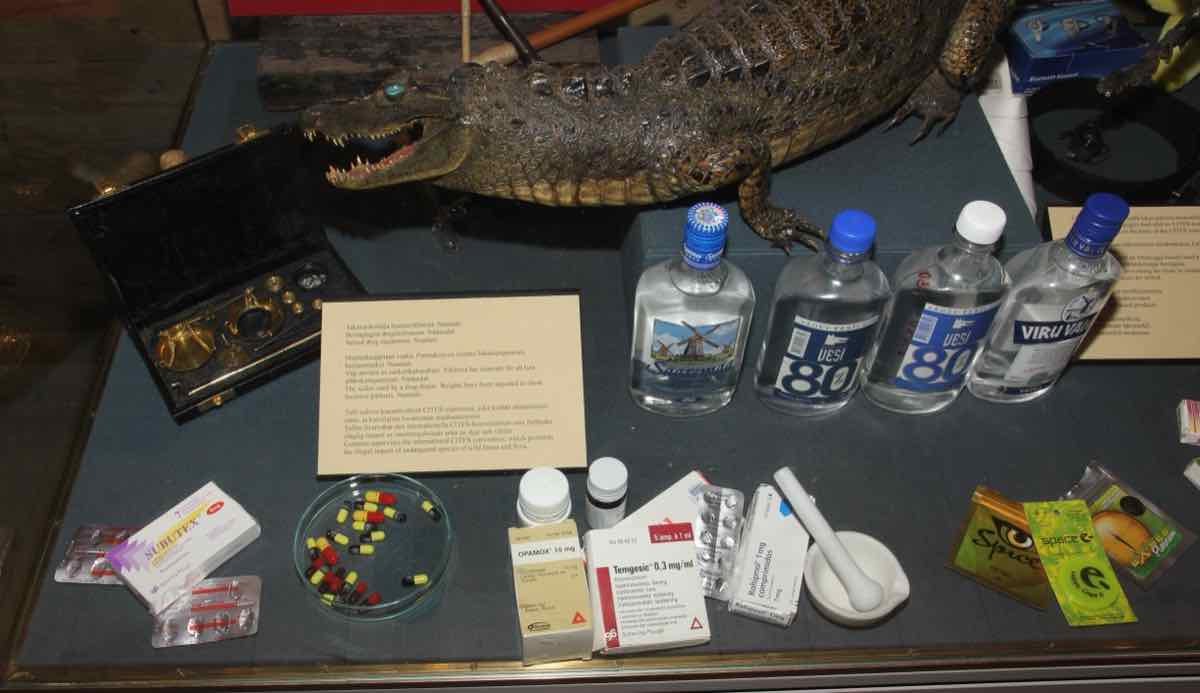
Possession for the purpose of trafficking is treated far more seriously. The Crown establishes the "purpose" element through circumstantial evidence: the quantity found, the packaging (divided into small quantities), the presence of a scale, cash, transaction records, or communications with buyers. Even where no trafficking actually occurred, a finding of purpose is sufficient for a conviction under section 5.
How Peel Region Crown Handles Drug Cases
Mississauga and Brampton are significant nodes in Ontario's drug supply chain given their proximity to Highway 401, Highway 427, and Toronto Pearson Airport. Peel Regional Police run targeted drug enforcement operations and have an organized crime bureau that handles larger trafficking and importation cases. Those investigations can span months and generate thousands of pages of surveillance, wiretap, and financial records.
For smaller possession and straightforward trafficking matters, the Davis Courthouse moves these cases relatively efficiently. The Crown's approach to resolution depends heavily on the accused's prior record, the nature of the substance, the quantity involved, and the strength of the evidence including any Charter issues arising from the search and seizure.
Charter Searches and Drug Cases
Drug charges almost always involve a search of a person, vehicle, or residence. Those searches must be lawful. A search conducted without a proper basis, without a valid warrant where one is required, or in violation of proper procedure may constitute a breach of section 8 of the Charter (protection against unreasonable search and seizure). Where evidence is obtained through a Charter breach, a court may exclude that evidence under section 24(2).
In drug cases, the exclusion of the drugs themselves from evidence typically ends the prosecution. The drug offences defence guide covers how Charter challenges work in the context of drug prosecutions and what factors a court weighs when deciding whether to exclude evidence.
Consequences of a Drug Conviction
A drug conviction on your record carries serious and lasting consequences. It affects employment, particularly in fields requiring security clearance or professional licensing. It creates complications at the United States border, where even a simple possession conviction can result in denial of entry. For non-citizens, a drug conviction may have immigration consequences including inadmissibility and removal proceedings. Avoiding a criminal record is the primary goal for most accused persons and shapes the defence strategy from the outset.
Get a Free Evaluation with a Mississauga Drug Offences Lawyer
If you have been charged with possession or trafficking in Mississauga or anywhere in Peel Region, call for a free and confidential consultation or visit the Mississauga criminal defence page.
For an understanding of what happens after a charge is laid and whether it can be resolved without a trial, the guide to charge withdrawal in Ontario covers how the Crown makes those decisions and what factors influence the outcome.
According to the Controlled Drugs and Substances Act, section 5, trafficking in Schedule I substances such as cocaine and heroin carries a maximum penalty of life imprisonment. The sentencing range for a given accused depends on the quantity involved, the role in a larger operation if any, and the accused's prior record.