Most people charged with a weapons offence didn't intend to break the law. These cases are far more defensible than they first appear.
In Canada, weapons and firearm charges are serious. The police are strict, and the Crown often assumes the worst intentions even if no one was threatened or injured. The RCMP Canadian Firearms Program sets the licensing rules, and the Criminal Code governs the offences. I defend clients across Toronto, the GTA, and Ontario facing every type of weapons charge.
What Counts as a Weapon
Under the Criminal Code, a weapon is anything used or intended to cause injury or intimidation. This is a broad definition. A kitchen knife, a bat, brass knuckles, or even a car can become a "weapon" depending on how it is used. If you are alleged to have used an ordinary object to threaten or hurt someone, you can face a weapons charge even though the item is not traditionally considered dangerous. See our assault page for how weapon involvement escalates assault charges.
Firearm Categories and Licences
Canada divides firearms into three categories: non-restricted, restricted, and prohibited. Each category has specific rules about storage, transportation, transfer, and use. A non-restricted firearm like a hunting rifle still requires a Possession and Acquisition Licence (PAL). A restricted firearm like a handgun has additional registration requirements. Prohibited firearms are largely banned from civilian possession. The Government of Canada publishes the full licensing categories.
Operating outside these categories, even accidentally, is a criminal offence. I have defended clients who inherited firearms from a parent, found a gun in a vehicle they just purchased, or carried a firearm they genuinely believed was properly licensed. These situations are more common than people think, and they are often defensible.
Common Weapons and Firearms Charges in Ontario
- Unauthorized possession of a firearm: possessing a firearm without a valid licence or registration certificate.
- Possession of a prohibited or restricted weapon: having a switchblade, brass knuckles, or a prohibited firearm without authorization.
- Careless storage of a firearm: failing to properly store a firearm, which can lead to charges even with no intent to harm anyone.
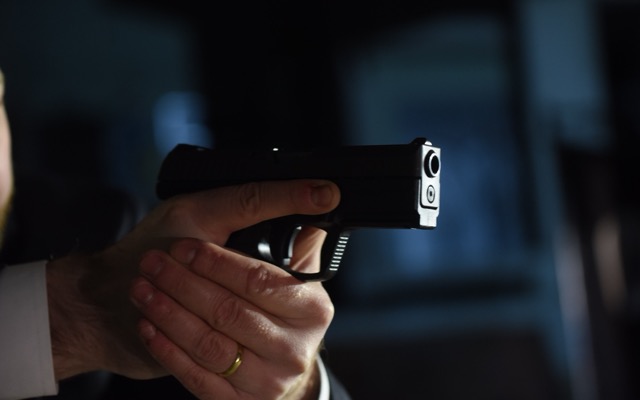
- Pointing a firearm: pointing even an unloaded weapon at another person, whether as a joke or in anger.
- Using a firearm in the commission of an offence: this dramatically escalates the penalties for the underlying offence.
- Weapons dangerous to the public peace: carrying a weapon in circumstances where it poses a public danger, even without a specific target.
Charter Issues: How Evidence Gets Excluded
Some of the most important weapons cases are won before trial. Police frequently search vehicles, homes, or people without the required warrants or without proper grounds. In weapons cases, the firearm is often found during an unlawful search.
Under the Canadian Charter of Rights and Freedoms, evidence obtained through an illegal search can be thrown out if admitting it would bring the justice system into disrepute. When the Crown's entire case rests on a weapon found in an illegal search, excluding that evidence can collapse the whole prosecution. I examine exactly how the search was done, what the officer claimed justified it, and whether those grounds actually existed.
Bail for Weapons Charges
Weapons charges can complicate bail. If the Crown argues you pose a public safety risk, they may seek detention or stringent conditions including no-possession orders and house arrest. I appear at bail hearings regularly and know how to address the Crown's concerns while protecting my client's freedom pending trial. Acting quickly after arrest gives us the best opportunity to secure reasonable bail conditions.
Mandatory Minimums: What Changed in 2022
The mandatory minimum that once attached to possession of a loaded restricted or prohibited firearm under section 95 is gone. The Supreme Court struck it down as unconstitutional in R. v. Nur in 2015, and Parliament repealed it outright through Bill C-5 in 2022, leaving courts discretion to impose conditional sentences or discharges in appropriate cases, particularly for first-time offenders.
The wider picture has since shifted back. The Protecting Victims Act (Bill C-16), in force since July 18, 2026, restored a number of mandatory minimums that courts had struck down, including for weapons trafficking and importing or exporting weapons, alongside a range of child sexual offences. It also added a judicial safety valve: a court may impose less than the minimum where the minimum would be grossly disproportionate for that offender, except on murder and high treason, but a term of imprisonment is still required. Anyone sentenced on an affected offence after that date is in a materially different position than they would have been a year ago, and it is worth confirming which regime applies to your charge.
If a weapon is used during another offence like robbery or a drug offence, mandatory minimums may still apply and the penalties increase substantially.
How Weapons Cases Get Resolved
The outcome depends on the specific charge, how the weapon was found, and your background. For first-time offenders - especially where the firearm was inherited, forgotten, or found unknowingly - avoiding a criminal record is a realistic goal. Where police broke the law to find the evidence, I bring a Charter motion to have it excluded. Where the evidence is strong, I focus on your story, upfront counselling, and negotiating the best possible outcome.
A conviction for a weapons offence goes beyond court: you can lose your firearms licence, face problems with employment and travel, and risk immigration consequences. Acting early with experienced counsel is essential. Contact me for a free, confidential consultation. See also our FAQ.